
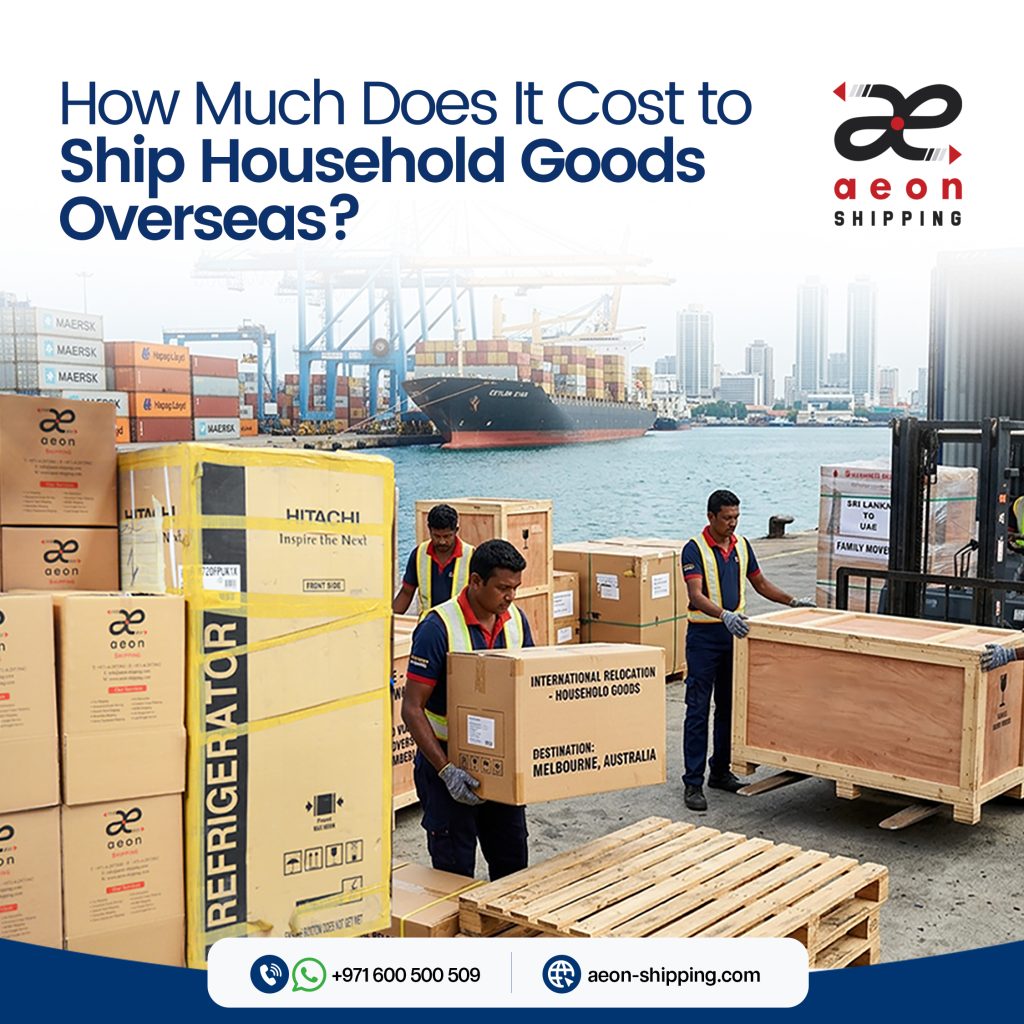
So you’re moving abroad. Exciting, right? Until you start thinking about how to get all your stuff there. The cost to ship household goods overseas isn’t exactly straightforward—there’s no magic number I can give you that’ll apply to everyone.
Here’s the deal. Your buddy who shipped his things to Japan last year? He probably paid different rates than what you’ll see. The same goes for your sister who moved to France or that couple from your yoga class who relocated to New Zealand.
It depends on where you’re shipping to, how much stuff you’ve got, the time of year, and how you send it. There’s no simple answer.
But stick with me here—we’ll break down what you actually need to know.
What Actually Determines the Cost to Ship Household Goods Overseas?
Think about the last time you mailed a package. A small box going across town? Cheap. Heavy package going cross-country? Not so cheap. International shipping follows similar logic, just with way more variables thrown in.
Mostly, it comes down to volume. They measure everything in cubic feet or cubic metres. Got a huge armoire? Costs more to ship than a heavy box of dishes because of the space it takes up, not what it weighs.
Then there’s the destination. Shipping to London costs differently from shipping to Sydney. Popular routes with regular service? Usually cheaper. Remote locations? You’ll pay extra.
Quick heads up: These prices I’m sharing? They’re estimates. Your actual costs could be higher or lower depending on where you’re shipping from and to, how much stuff you’ve got, what time of year it is, and what extra services you end up needing. Every move is different. Want exact numbers for your situation? Give the Aeon Shipping team a call—they’ll put together a proper quote based on what you’re actually dealing with.
Real Numbers: What You’ll Actually Pay
Let me give you some actual numbers. Keep in mind these vary based on your specific situation, but at least you’ll know what ballpark we’re talking about.
Moving Just the Essentials
Recent grad taking your first job abroad? Or maybe you’re downsizing. If you’re shipping around 100-200 cubic feet—basically a studio apartment’s stuff—expect to start at $1,500. Depending on where you’re going, it might cost more.
This covers your bed, a few furniture pieces, boxes of clothes and personal stuff, maybe some kitchen items you can’t replace easily.
Standard Family Move
This one’s pretty common. Two or three bedrooms’ worth of belongings. Expect around $3,000 minimum. It could run you $8,000 if it’s a long haul or you add services.
We’re talking 200-500 cubic feet. Furniture, kids’ stuff, kitchen things, boxes. The usual.
The Whole House
Everything’s coming with you. Multiple bedrooms, garage items, that treadmill you swear you’ll use more in the new country. You’re looking at $8,000 minimum. Full household moves regularly hit $15,000. Some go beyond $20,000 when factoring in destination and services.
Picking Your Shipping Method (Because Yes, You Have Options)
Here’s where things get interesting. How you ship changes everything.
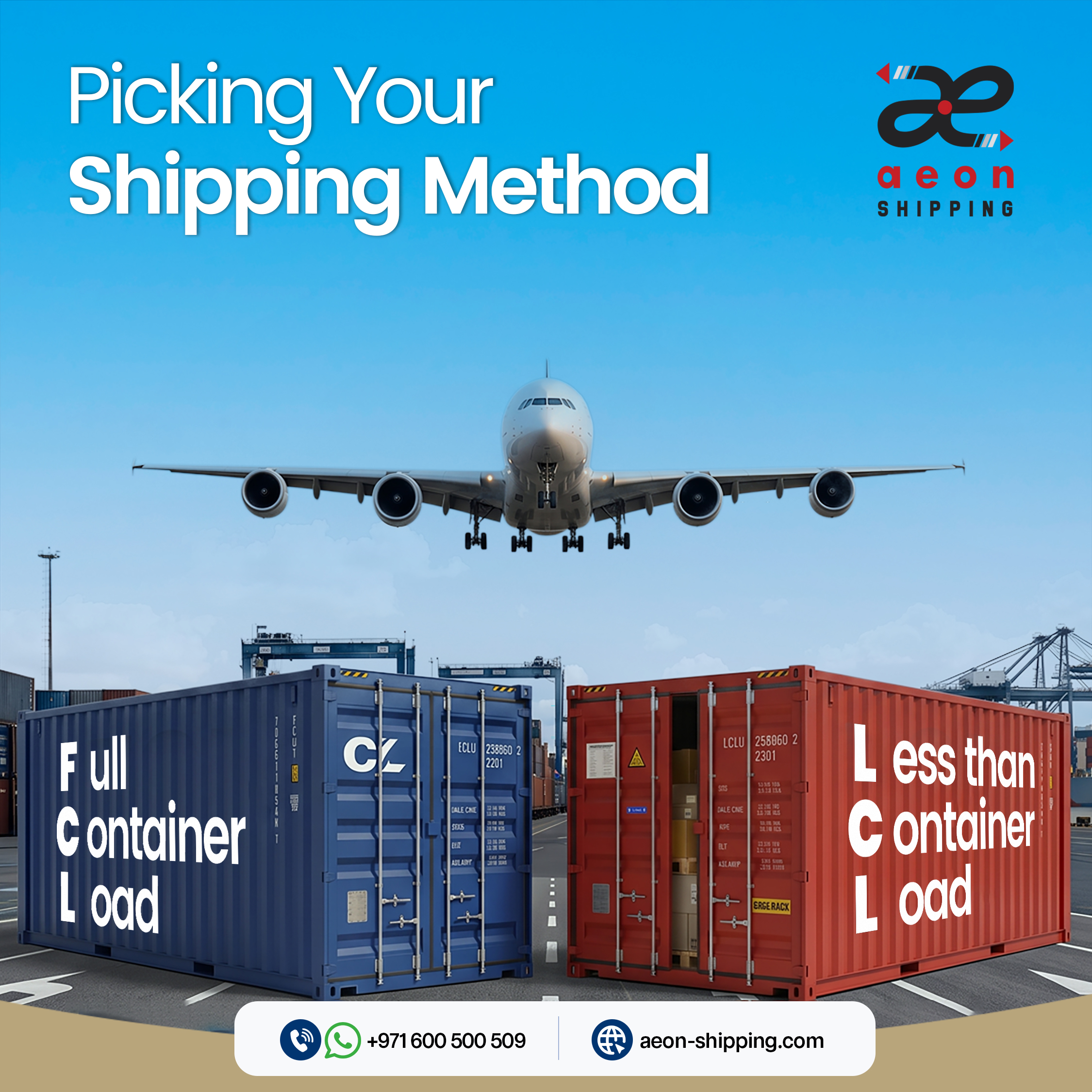
Getting Your Own Container (FCL)
FCL means Full Container Load. You rent either a 20-foot or 40-foot container—the whole thing’s yours. Nobody else’s stuff mixed in.
Twenty-foot containers start around $3,000 and can reach $8,000 or higher. Forty-foot containers? Figure $5,000 starting point, potentially hitting $12,000 or more.
Why go this route? Speed and security, mainly. Your belongings get loaded once, the container gets sealed, and then it’s not opened again until delivery. Nothing gets shuffled around with other people’s boxes. Plus, if you’ve got enough stuff to fill most of the container anyway, you’re getting better value per cubic foot.
Sharing Container Space (LCL)
LCL means Less Than Container Load. Basically, you split a container with other people’s shipments. Only pay for the space you actually use.
Runs about $1,000 for small amounts, up to $4,000 depending on how much and where.
Downside? It takes forever. Your boxes sit around waiting for enough other shipments to fill up the container. Then at the destination, everything gets separated out again. This adds weeks—sometimes a month or more—to your timeline.
Air Freight (When Money Matters Less Than Time)
Need it fast? Air freight delivers. You’ll also pay through the nose for it—starting at $8 per kilogram, often running two to four times ocean freight costs.
Most people don’t airship their entire household. But for critical items you need immediately, or high-value pieces you don’t want sitting on a ship for weeks, it makes sense. Just be prepared for the invoice.
The Surprise Charges Nobody Warns You About
Base shipping quotes rarely tell the full story. Here’s what else you’re probably paying:
Customs Gets Their Cut
Different countries play by different rules. Some let you import used household goods tax-free if you meet certain conditions—usually proving you owned everything for a minimum time period. Others charge duties anywhere from 10% to 25% or more of your shipment’s value.
Research your destination country’s customs policies early. Or better yet, work with a shipping company that knows these rules inside and out. Aeon Shipping can walk you through what to expect for your specific destination.
Port Charges Add Up Fast
Once your container hits the port, you’re paying to get it unloaded. Port fees, terminal charges, handling—expect $200 to $800 more, could be higher. Covers unloading, temp storage, and paperwork processing.
Packing Costs (If You’re Not Doing It Yourself)
Expect to pay $500 to $2,000+ for professional packing services. The final bill depends on volume.
Delicate items need special attention. Your piano, old paintings, or inherited furniture can’t go in regular boxes. Custom crating handles these properly but increases costs. Still, most people find it’s a better option than risking damage to irreplaceable items during the move.
If you’ve got time and energy, doing some of the packing yourself can trim this cost significantly. Focus on packing clothes, books, and sturdy items. Leave fragile or valuable pieces to the pros.
Insurance Isn’t Optional
Look, technically it’s optional. Practically speaking? Get insurance. Marine insurance costs about 1-3% of your declared shipment value.
Your belongings are traveling thousands of miles across the ocean. Storms happen. Accidents happen. Container ships sometimes encounter rough seas. For a relatively small percentage of your shipment value, you get peace of mind. Worth it.
Final Mile Delivery
Getting your stuff from the destination port to your actual home costs extra. Local delivery fees typically run $300 to $1,500 based on distance and whether you need help unloading and setting up.
Smart Ways to Actually Save Money
Looking to spend less without ditching all your belongings? Try this:
- Dump what you don’t actually need. That secondhand couch from five years back that cost $300? Might run you $500 to ship. Cheaper to buy new at your destination.
- Timing matters more than you’d think. Summer is the peak moving season, which means higher prices. Move in late fall or winter if possible—you might save 10-20% or more just by avoiding the rush.
- Shop around for quotes. Don’t accept the first quote you get. Contact at least three reputable international movers. Make sure you’re comparing equivalent services, though—a cheap quote missing key services isn’t actually cheaper.
- Mix your shipping methods. Ship heavy furniture by sea. Send a few essential boxes by air or postal service. This gives you immediate access to necessities while keeping overall costs reasonable.
- Pack yourself if you can. Self-packing can save hundreds or thousands. Just use proper materials—damaged goods aren’t worth the savings. And be honest with yourself about your packing skills. Some items really do need professional handling.
Finding a Shipping Partner You Can Trust
Moving overseas involves more than transporting boxes from point A to point B. You’re transitioning your entire life to a new country. That’s huge.
When evaluating shipping companies, look for transparency. Do they explain all costs upfront, or do mystery charges appear later? Do they have actual experience with your specific route? Can you reach someone who answers questions without making you repeat yourself three times?
Good shipping companies provide detailed quotes breaking down every cost. They explain customs procedures for your destination. They offer insurance options and actually explain what’s covered. They give you realistic timelines instead of overpromising.
If a quote seems too good compared to others, there’s usually a reason. Missing services, hidden fees, inexperienced handlers—cheap isn’t always a bargain.
At Aeon Shipping, we’ve helped people navigate international moves for years. We know which questions you should be asking (and which ones you don’t even know to ask yet). We break down the customs process so it makes sense. We’re straight with you about timelines and costs.
What It All Comes Down To
So what’s the bottom line on shipping household goods internationally? Small moves start around $1,500. Medium-sized family moves begin around $3,000. Full household relocations start at approximately $8,000. But your actual cost depends on where you’re going, how much you’re shipping, when you’re moving, and what services you need.
Start planning early. Don’t just look at the shipping quote—figure out what else you’re paying for. And honestly? Find someone who knows this stuff inside out. You don’t want to learn about customs regulations the hard way.
One more thing. Going with the cheapest company sounds smart until it isn’t. You save $400 on the quote, then your container sits at the port for weeks. Or a box shows up crushed. Or they hit you with charges they never mentioned. Spending extra for decent service and real insurance? Usually worth every penny.
Want actual cost to ship household goods overseas ? Reach out to Aeon Shipping. We’ll give you a real quote based on what you’re shipping and where it’s going. No surprises, no hidden fees—just straight answers about what your move will actually cost.

