
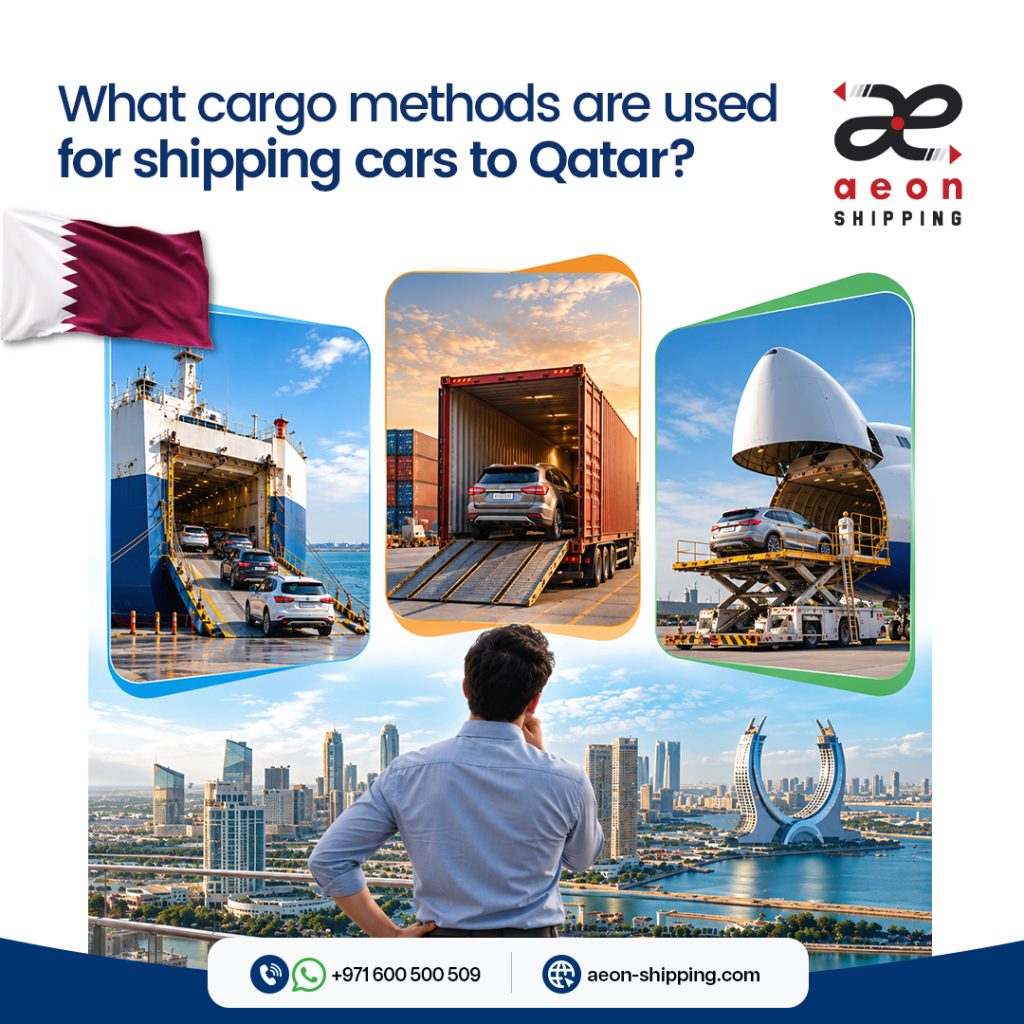
Shipping cars to Qatar shouldn’t be complicated. It’s just 400 kilometres from Dubai to Doha. But when you start asking about cargo methods, everyone throws different terms at you. RoRo shipping, Container shipping and Land freight. Which one should you pick?
Here’s what nobody tells you upfront. The method you pick changes everything. Even your timeline and your budget. Whether your car arrives looking showroom-fresh or covered in salt spray. Choose wrong, and you might overpay by thousands of dirhams. Or watch your vehicle sit at customs while you’re already working in Doha, desperately needing wheels.
This guide cuts through the confusion. We’ll break down land freight, sea freight, and air freight. Real costs. Actual timelines. The pros and cons that shipping companies conveniently forget to mention. By the end, you’ll know exactly which cargo method fits your situation.
Why People Ship Cars to Qatar
The drive from Dubai to Doha isn’t terrible. Around 400 kilometres. But driving your car across the border? That’s a whole different story. Work permits. Temporary registrations. Border paperwork that’ll make your head spin. Most people don’t have the time or patience for that hassle. They ship instead.
The main reasons?
Relocation tops the list. Qatar’s job market pulls in professionals from across the Gulf. Engineers, doctors, finance experts – they all need reliable transportation in Doha. Buying a new car there costs more. So they bring their existing vehicle.Trade is another big one. Car dealers in the UAE ship vehicles to Qatar regularly. The profit margins make sense. A well-maintained vehicle bought in Dubai can fetch a premium in the Qatari market.
Then you’ve got the practical folks. Students heading to universities in Doha. Families moving for better opportunities. People who simply can’t imagine life without their trusted vehicle.
So what are your options when it comes to actually getting that car to Qatar? Three main cargo methods exist. Each one works differently. Each one suits different situations. Let’s start with the most straightforward option.
Land Freight – The Budget-Friendly Route
Lorries carry your car overland from the UAE to Qatar. Simple concept. Lower costs compared to other methods.The route goes through Saudi Arabia. Your car gets loaded onto a specialised carrier. The driver handles all the border crossings. You just wait for it to arrive in Doha.
But not all land freight is the same. Two main types dominate this market.
Open Carrier Transport
This is what you typically see on motorways. Multi-level lorries stacked with cars. Your vehicle shares space with several others on an open trailer. The carrier can hold anywhere from 4 to 10 vehicles depending on size. Saloons stack easier than SUVs. Your car gets secured with chains and wheel straps. Then it’s off to Qatar.
- What makes open carriers popular? Cost. You’re sharing the lorry with other vehicles. That splits the transport fees between multiple customers. Perfect for standard cars that don’t need special treatment. The process moves quickly too. Loading takes less time than enclosed options. Drivers are experienced with this setup. They’ve transported thousands of vehicles this way.
- The trade-offs? Your car remains exposed during the journey. Dust from Saudi Arabian roads will accumulate. The occasional sand spray is unavoidable. Road debris might kick up from other vehicles. Weather affects your car directly. Hot desert sun beats down on the paint. Not a huge issue for newer vehicles with a good clear coat. But if you’re protective about your car’s appearance, this might bother you.
Recovery Truck Transport
Think of this as the individual service of land freight. Your car gets its own dedicated recovery lorry. One vehicle. One truck. That’s it. Recovery trucks use flatbed designs or specialised car-carrying ramps. Your vehicle rests alone on the platform. No other cars share the space.
- When does this make sense? Modified vehicles love this option. Lowered cars that scrape on standard ramps. Lifted trucks that don’t fit multi-level carriers. Custom builds that need careful handling. High-value vehicles also benefit. That vintage Mercedes you restored? A recovery truck gives it the attention it deserves. The driver treats it as the only cargo that matters. Broken-down vehicles need recovery trucks, too. If your car doesn’t run, you can’t just drive it onto a multi-level carrier. Recovery trucks handle non-running vehicles without issue.
- The cost consideration? You’re paying for dedicated service. Expect prices closer to enclosed container shipping. But you get personalised attention for your vehicle.
Timeline and Practicalities
Land freight typically takes 3-5 days from Dubai to Doha. Sometimes faster if border crossings go smoothly. But here’s what affects your timeline. Saudi Arabia’s border checks vary in speed. Peak travel times create longer queues. Weekends and holidays slow things down.
Weather plays a role, too. Sandstorms occasionally shut down highways. Visibility drops to nothing. Drivers wait it out for safety.
Your car also gets exposed to road conditions throughout the journey. Dust accumulation is guaranteed. The occasional stone chip might happen. Nothing major for most vehicles, but luxury car owners often prefer other methods.
Documentation matters here. Your vehicle needs proper export papers from the UAE. The Saudi transit paperwork must be correct. And Qatar import documentation should be ready. Miss one document and you’re stuck at a border crossing.
Sea Freight – The Most Popular Choice for Shipping Cars to Qatar
Here’s where things get interesting. Sea freight dominates the market for shipping cars to Qatar. Why? Two reasons – capacity and reliability.
Ships can handle multiple vehicles at once. The process is standardised. And honestly, it’s the sweet spot between cost and safety for most people relocating to Doha. You’ve got two main options under sea freight. Each one serves different needs. Each one protects your vehicle differently.
RoRo Shipping – Roll On, Roll Off
The name says it all. Your car literally rolls onto the ship. Then it rolls off at the destination port in Doha. No containers involved. Your vehicle drives onto the vessel under its own power. It gets secured on the ship’s deck or lower levels. Then it sails across the Gulf to Qatar.
- The good stuff: Quick loading and unloading. The process takes hours, not days. Your car doesn’t need special preparation beyond basic cleaning and fuel requirements. Cheaper than container shipping in most cases. You’re not paying for a whole container. Just the space your car occupies. Perfect for standard vehicles. Saloons, SUVs, and regular cars – they all work great with RoRo.
- The downsides? Exposure to sea air and salt. Your car stays in the open during transit. Coastal conditions mean salt spray is unavoidable. Not a huge deal for newer cars with good paint protection. But classic cars or premium vehicles? You might want to think twice. No personal belongings allowed. Shipping companies won’t let you pack stuff in your car. It’s the vehicle and nothing else. Security depends on the shipping line. Your car travels with dozens or hundreds of others. Most companies maintain good security standards. But you’re trusting them completely.
- Timeline: Usually 5-7 days for shipping cars to Qatar via RoRo. Add a few days for customs clearance in Doha.
Container Shipping – Maximum Protection
Your car goes inside a metal container. Think of it as giving your vehicle its own private room for the journey.Two types exist here. Exclusive containers and shared containers.
Exclusive Container Shipping
You rent the entire container. Your car gets the whole space. Nobody else’s vehicle shares the room.This method costs more. A lot more. But the protection level? Unmatched.
Your car stays completely enclosed. Protected from weather, salt spray, and prying eyes. You can even pack personal items inside. Boxes of belongings, spare parts, whatever you need to move to Doha.
Classic cars love this method. Luxury vehicles, too. Anything with high value or sentimental importance deserves this level of care.
Shared/Consolidated Container Shipping
Here’s the middle ground. Your car shares a container with one or two other vehicles. Sometimes motorcycles get included, too.Costs drop significantly compared to exclusive containers. You’re splitting the container fees with others. But you still get the enclosed protection benefits.
The shipping company handles the logistics. They find compatible vehicles to share space. Your car still gets secured properly. Professional packers make sure nothing moves during transit.
Container shipping timeline: Expect 7-10 days total. Loading takes longer than RoRo. But your car arrives in pristine condition.
Air Freight – When Speed Matters Most
Yes, planes can actually ship cars. It’s rare and extremely expensive, but it happens.
Most people never use this method. The costs are incredibly high. But for certain situations, air freight makes sense. Race cars heading to events in Doha. Extremely valuable classic vehicles. Situations where time literally equals money.
Your car gets loaded into a cargo aircraft. Special equipment secures it for flight. The plane takes off from Dubai and lands in Doha within hours.
The timeline? Same day or next day delivery. Unbeatable speed.
The cost? Prepare yourself. We’re talking 10-20 times the cost of sea freight. Sometimes more.
This method only makes financial sense in very specific situations. Most people shipping cars to Qatar never consider air freight. And that’s perfectly fine. It’s a niche option for special circumstances.
Comparing Cargo Methods Side by Side
Let’s get practical. Which method should you choose?
Budget matters most? Go with open carrier land freight. It’s your cheapest option for getting a car to Doha. Just accept some exposure to road conditions and dust.
Standard vehicle, normal timeline? RoRo shipping wins. It balances cost and speed nicely. Perfect for everyday cars that don’t need extra protection.
High-value vehicle or classic car? Exclusive container shipping protects your investment. Yes, you’ll pay more. But peace of mind has value.
Tight budget but want sea protection? Shared container shipping splits the difference. Better protection than RoRo, cheaper than exclusive containers.
Modified or non-running vehicle? Recovery truck land freight handles special cases. Your car gets dedicated attention.
Racing against the clock? Air freight is your only option. Just bring your wallet.
The volume of vehicles moving between Dubai and Doha keeps prices competitive. Multiple shipping companies operate on this route. That competition works in your favour.
Factors That Influence Your Decision
Beyond just picking a method, other stuff affects your choice when shipping cars to Qatar.
Your car’s value plays a huge role. A 2015 Toyota Camry doesn’t need the same protection as a 2024 Mercedes S-Class. Match the shipping method to what makes financial sense.
Timeline flexibility changes everything. Got three weeks before you need the car? Sea freight works perfectly. Need it in Doha by next week? Most shipping methods won’t meet that deadline.
Budget constraints are obvious. But think long-term. Saving money on shipping doesn’t help if your car arrives damaged. Sometimes spending a bit more prevents expensive repairs later.
Destination within Qatar might matter. Most cars go to Doha. The main port handles everything smoothly. But if your final destination is somewhere else in Qatar, factor in additional transport costs.
Customs requirements in Doha stay fairly consistent. But regulations can change. Working with experienced shipping companies helps navigate any red tape.
Vehicle modifications affect shipping, too. Lifted trucks might not fit standard RoRo decks. Lowered cars need special loading equipment. Weird modifications sometimes force you towards container shipping or recovery truck transport.
Documentation You’ll Need
Shipping cars to Qatar requires paperwork. Lots of it.Original vehicle registration from the UAE. Export certificate proving you can legally remove the car. Insurance documents covering transit. Bill of lading from the shipping company.
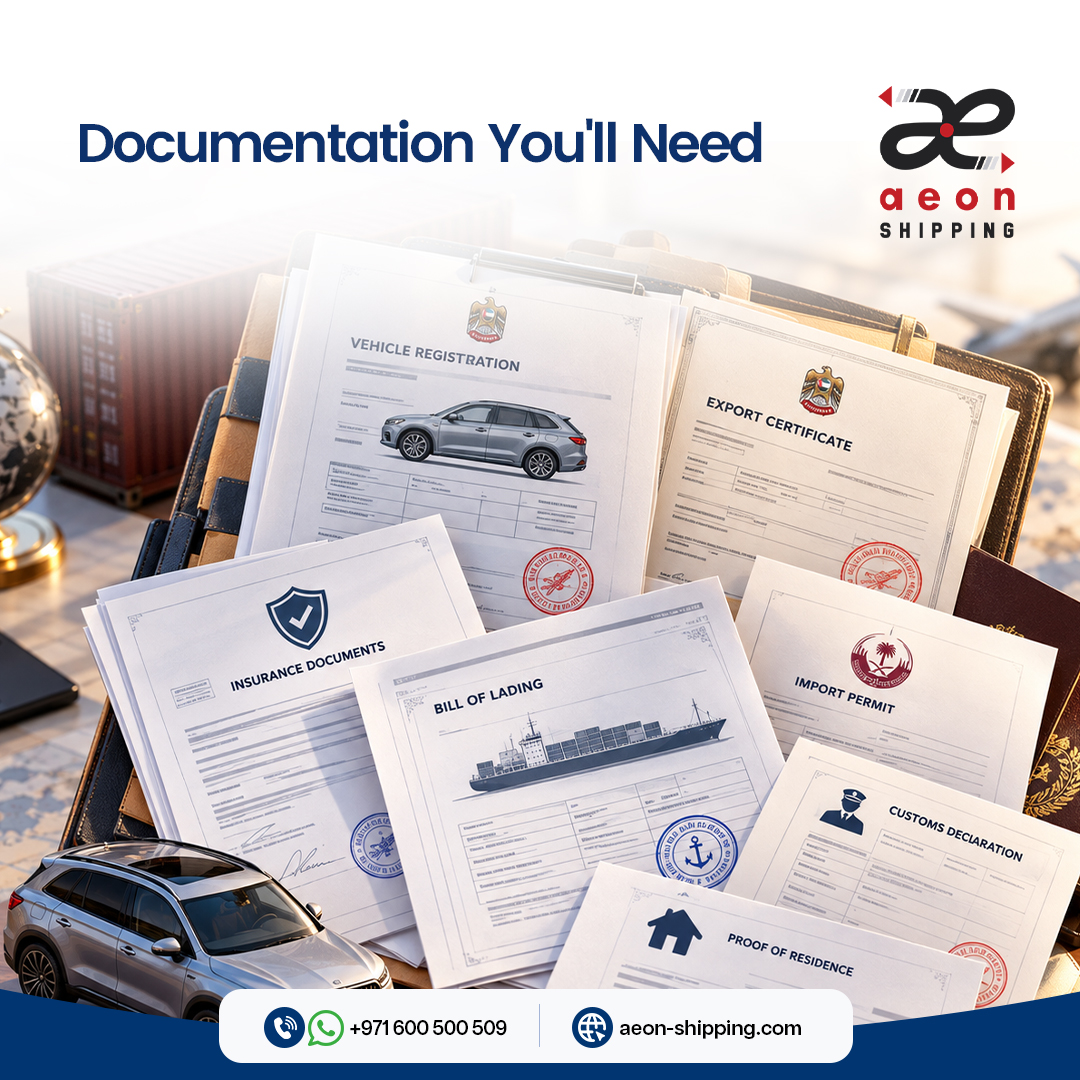
Then there’s the Qatar side. Import permits. Customs declarations. Sometimes proof of residence in Doha.
Sounds overwhelming? Most shipping companies handle documentation as part of their service. They know the drill. You just provide the necessary papers they request.
Insurance During Transit
Your regular car insurance probably doesn’t cover international shipping. Check your policy. Most don’t. Marine cargo insurance exists specifically for this. It covers your vehicle during transit. Sea freight, land freight – whatever method you choose.
Cost depends on your car’s declared value. Usually, it’s a small percentage of the total value. Skip this, and you’re gambling with your investment.
Think about it. Your car is worth thousands. Spending a few hundred dirhams for insurance during shipping? That’s just smart.
Picking the Right Shipping Company
Not all companies are equal. Some specialise in certain methods. Others handle everything.
Experience with the UAE-Qatar route matters. Companies that regularly ship to Doha understand the process. They know the customs officers. They’ve dealt with every possible issue.
Take AEON Shipping, for example. They’ve been handling the Dubai-Qatar route for years. Their team knows exactly what documentation Qatar customs requires. They understand the timing of border crossings through Saudi Arabia. And they offer multiple shipping methods – land freight, RoRo, and container options – so you can pick what suits your budget and timeline.
Check reviews. Real customer experiences tell you more than any marketing material. Look for companies with proven track records on the UAE-Qatar route specifically.
Ask about insurance coverage. What exactly does their quote include? Hidden fees kill budgets.
Timeline guarantees matter too. Can they commit to specific dates? What happens if delays occur? Experienced shippers like AEON have backup plans when unexpected issues pop up at borders or ports.
Wrapping It Up
Shipping cars to Qatar doesn’t have to stress you out. You’ve got options – land freight for budgets, RoRo for standard vehicles, containers for protection, and air freight for emergencies.
Match the method to your situation. The route from Dubai to Doha is well-established. Do your homework. Get multiple quotes. Ask questions.
Your car matters. Pick the shipping method that balances cost, timeline, and peace of mind. And once your vehicle arrives in Doha? Make sure you’ve got your Qatar driving licence sorted.

