

You found the perfect car. It could be a Mustang GT with all the options you want. Or a classic Chevy that’s impossible to find in the Middle East. But here’s the catch – the car’s in Los Angeles, and you’re all the way over in Dubai. On the other hand, you may be relocating to the UAE. You can’t imagine leaving your ride behind.
Either way, you need to ship a car halfway across the world. And honestly? The whole process probably sounds like a nightmare.
Here’s the good news: people ship cars from the USA to Dubai every single day. It’s not some impossible task reserved for billionaires with exotic supercars. Regular folks move their vehicles internationally all the time. You need to know what you’re getting into.
We’re not talking about a simple cross-country drive here. There’s customs, shipping containers, import rules – a whole bunch of stuff. The price tag? Costs are kind of unpredictable – sometimes reasonable, sometimes not. But look, break it down into smaller tasks and you’ll get through it no problem.
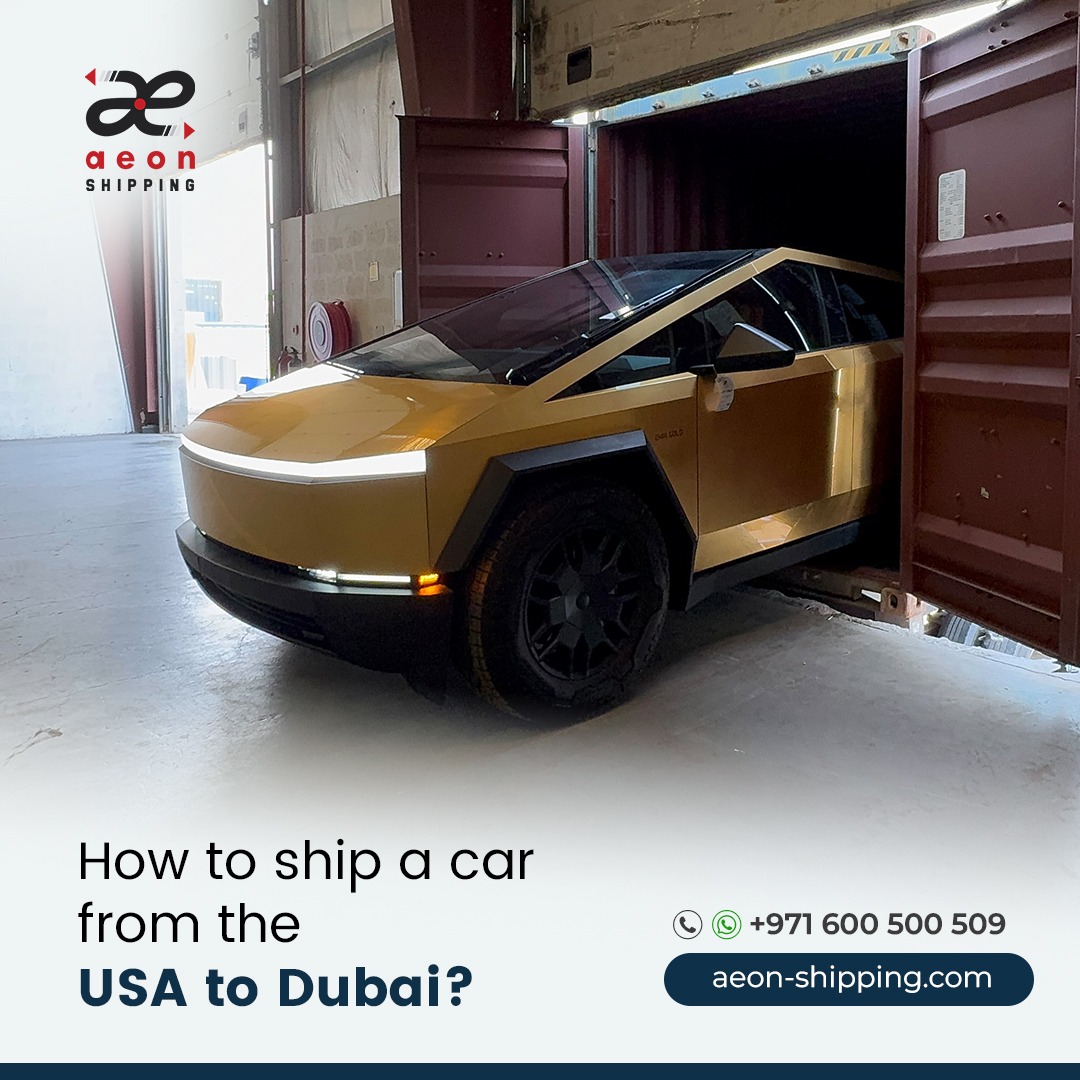
Why People Ship Cars to Dubai
First things first – why are you even doing this? It actually makes a difference in how you plan. Maybe you’re moving there for good.You want to keep your car. Makes sense if you’ve got a vehicle you love.Then there’s the fact that buying a new car in Dubai gets expensive fast, particularly if you know exactly what you’re looking for. Others are importing cars to sell. Dubai’s got a huge market for American vehicles—particularly trucks and muscle cars that are harder to find there. If you know the market, you can make heaps of money.
Then you’ve got collectors. They’re bringing over classic or rare vehicles, and finding a pristine ’69 Camaro in the UAE? Good luck. But they’re all over the US.
Besides, some folks want a different car, for instance, with American specs like Left-hand drive. Also, they might be after models that were never officially sold in the Middle East. These things have appeal.
The Two Main Shipping Methods
There are two main ways to do this – container shipping or RoRo (that’s roll-on/roll-off). The one you go with makes a huge difference in price, timing, and whether your car arrives without a scratch.
Container shipping
This means your car goes inside a big metal shipping container typically a 20 or 40-foot container. They load your car, seal the container, and that’s it. It stays that way until it reaches Dubai.
You can ship just your car in an exclusive container. Or share container space with other cargo. That’s consolidated shipping.
The upside of an exclusive container? Maximum protection. Your car’s completely enclosed and locked away. You can also pack personal items in the available space inside the container. However, there are limits and rules about what’s allowed.
Collectors usually go this route. People with high-value vehicles, too. The downside is cost. Container shipping costs you more money than the alternative.
RoRo shipping
This is simpler and cheaper. Your car literally gets driven onto a massive ship. These ships are designed to carry vehicles. It’s parked on the deck, among hundreds of other cars, and secured with straps. And that’s it. When the ship reaches Dubai, they drive it off.
RoRo costs less. Why? The shipping company can pack way more vehicles on one ship. It’s faster to load and unload, too.
But your car is exposed to salt air and all other external elements during the entire voyage. Unlike in container shipping, you can’t leave anything inside it. The car has to be empty except for a spare tire and a jack.
For most regular cars, RoRo works fine. However, for expensive vehicles, Container shipping makes more sense. The same goes for classic or modified cars.
What It Actually Costs
Here’s what you actually came here for – the cost. You’re probably looking at $1,500 to $5,000 for a standard sedan or SUV from the States to Dubai. Wide range? Absolutely.
From the East Coast, RoRo will cost you about $1,500 to $2,500 – and that’s for your average sedan or a normal-sized car.
Container shipping costs more. When you ship your car with a 20-foot container it will cost you in the range from $3,000 to $5,000. Your port and current shipping rates play into that.Then, there’re 40-foot containers which you can use to ship two cars or one car with extra belongings. That’s $4,000 to $7,000
But wait, there’s more. Those prices are just for ocean freight. You’ve also got:
- Port fees and terminal handling charges: $200-$500
- Customs clearance in Dubai: $300-$600
- Import duties and taxes in the UAE vary wildly based on the car
- Inland transport to get your vehicle to the port: $200-$800, depending on distance
- Documentation and paperwork services: $150-$400
- Insurance: usually 1-2% of your car’s value
Before you think “$2,000 sounds reasonable,” keep in mind the total cost is more like $3,000 to $4,000 once everything’s added up. That’s for basic RoRo shipping. What about container shipping then? Once you add it all up, you’re probably looking at $6,000 to $8,000
How It Actually Works
Here’s what the process looks like from start to finish.
Step 1: Make sure your car is eligible for import
Dubai’s pretty strict about what cars they’ll let in. Your vehicle needs to be less than 5 years old from when it was built – not just the model year. So say you have a 2020 model that came off the line in late 2019 and you’re shipping it now in 2025, you should be alright. A 2019 car? Cutting it close.
Classic cars over 30 years old get special exemptions. That’s why you see so many vintage American cars in Dubai.
Your car also needs to meet UAE emissions standards. Most modern US cars do. But it’s worth checking. Left-hand drive is fine, which is the standard mode in the UAE. They drive on the right side of the road.
Step 2: Get your paperwork together
You’ll need:
- Original vehicle title (no liens)
- Bill of sale showing purchase price
- Export certificate from the US Customs
- Your passport copy
- UAE residency visa (if you’re living there)
- Original manufacturer’s certificate (basically the window sticker)
Missing any of these creates headaches. So, get everything organized upfront.
Step 3: Find a shipping company
Look for freight forwarders or international auto shippers—specifically, those who handle the USA-to-UAE routes. Not every shipping company does this route. Don’t waste time with general movers.
Get quotes from at least three companies. Ask specifically what’s included. Some quotes are door-to-door. They handle everything. Others are port-to-port. You deal with inland transport on both ends.
Check reviews. Make sure they’re licensed. You want a company that’s done this route dozens of times. Not someone figuring it out as they go.
Step 4: Prep your car
Clean it thoroughly. Inside and out. Customs inspectors in both countries will check it. Quarter-tank of gas max. They won’t let you ship it full. Remove all personal items if you’re doing RoRo. Turn off the alarm.
Document everything with photos, including every scratch and every dent. You want proof of condition before shipping.
Fix any fluid leaks. Ships don’t like cars dripping oil everywhere.
Step 5: Get it to the port
Most people either drive their car to the port or they hire inland transport.Your car will likely leave from New York/Newark, Savannah, Houston, or LA/Long Beach.
Drop-off at the port requires appointment scheduling. Show up with all your paperwork. They’ll inspect the car and verify the VIN. Check for prohibited items.
Step 6: The ocean voyage
Container ships to Dubai from the US East Coast take about 20-30 days. From the West Coast? Add another week or so. They typically route through the Suez Canal.
Your shipping company should give you tracking information. The ship makes stops at other ports along the way. That’s normal.
Step 7: Customs clearance in Dubai
This is where things get interesting. Once your car arrives at Jebel Ali Port, it goes through UAE customs. That’s Dubai’s main port.
You’ll pay import duty, which is 5% of the car’s value for most vehicles. Then there’s VAT at 5%. Registration fees depend on the car. Figure another few hundred dollars.
Customs determines your car’s value. Based on the invoice price and their own assessment. Sometimes they think your vehicle is worth more than you paid for it. You can dispute it. But it takes time.
You’ll also need a car inspection certificate from one of Dubai’s approved testing centers. They check emissions, safety equipment, and lights. Most US cars pass these tests. But occasionally you’ll need minor modifications.
Step 8: Registration and plates
After customs clearance and inspection, you can register the car with Dubai’s Road and Transport Authority (RTA). You’ll get UAE license plates and registration. The whole process takes a few days if everything goes smoothly.
Timeline Expectations
From start to finish? Shipping a car from the USA to Dubai typically takes about 6-10 weeks.
- Booking and paperwork: 1-2 weeks
- Getting car to port and loading: 3-7 days
- Ocean transit: 20-35 days depending on route
- Customs and port clearance in Dubai: 3-7 days
- Inspection and registration: 3-5 days
Things that slow it down: incomplete paperwork, customs delays, port congestion, and waiting for the right ship with space available.
During busy shipping seasons, add extra time.Especially during winter and fall. Ramadan can also slow things down on the Dubai end.
Common Mistakes People Make
Assuming any car can be imported. Check age restrictions first. Nothing worse than shipping a car only to find out Dubai won’t let it in.
Leaving stuff in the car for RoRo shipping. They’ll remove it. Possibly dispose of it. Or worse? Customs gets suspicious about what you’re trying to bring in.
Not declaring the real purchase price. Customs finds out, and you’re looking at fines. Major delays.
Skipping insurance. Yeah, it costs extra. But if something happens during that month at sea? You’ll wish you’d spent the $200.
Using the cheapest quote without checking what’s included. That $1,500 quote might not cover customs fees, inland transport, or documentation. Suddenly it’s $3,500.
Forgetting about seasonal price changes. Shipping rates fluctuate. Summer is usually cheaper than fall/winter.
Is It Worth It?
Here’s the real question. Should you actually ship your car? Or just sell it and buy one in Dubai?
Run the numbers. If your car is worth $15,000 in the US, shipping costs you $4,000 all-in. You’re into it for $19,000. Can you find the exact vehicle in Dubai for less? Maybe not. Especially if it’s a specific model or configuration.
American trucks and muscle cars often make sense to import. Why? They’re harder to find and pricier in Dubai. A used F-150 might cost 30-40% more in the UAE than in the US, even after shipping costs are factored in.
Daily driver sedans? Sometimes it makes sense. Sometimes it doesn’t. You’ve got to do the math for your specific situation.
If you’re relocating and your car is paid off? And you love it? The emotional factor matters too. Starting over in a new country is easier when you’ve got your own familiar car.
The Bottom Line
Shipping a car from the USA to Dubai isn’t simple. But it’s not rocket science either. Thousands of people do it successfully.
The key is understanding the costs upfront, getting your paperwork right, and choosing the right shipping method for your vehicle. Above all, working with an experienced freight forwarder is the key to successfully shipping your car from the US to Dubai.
Budget more money and time than you think you’ll need. Things rarely go perfectly. Having a buffer keeps you from stressing when there’s a week’s delay or an unexpected $500 fee.
Remember! Cheaper isn’t always better. A good shipping company that handles everything smoothly? Worth paying a bit more for. Your car’s going to spend a month traveling across an ocean. You want people who know what they’re doing.

