
Moving from one country to another involves a lot of packing and shipping. This includes shipping personal belongings overseas. The thought of packing your clothes, books and memories into boxes can sound overwhelming. And then suddenly you are caught up clearing documents, dealing with customs, regulations and more. Many people imagine delays, extra fees or lost items. In reality, the entire process is quite simple when you follow the rules. It is also less hectic with the right shipping partner by your side.
When moving to another country, the customs officers want to know what you are bringing in. They check if items are safe, legal and really personal. They do not want business goods to enter without following the procedure. That is why rules exist. Knowing these rules early makes the journey smooth.
Understanding Customs for Personal Shipments
What Customs Really Means for Personal Shipments
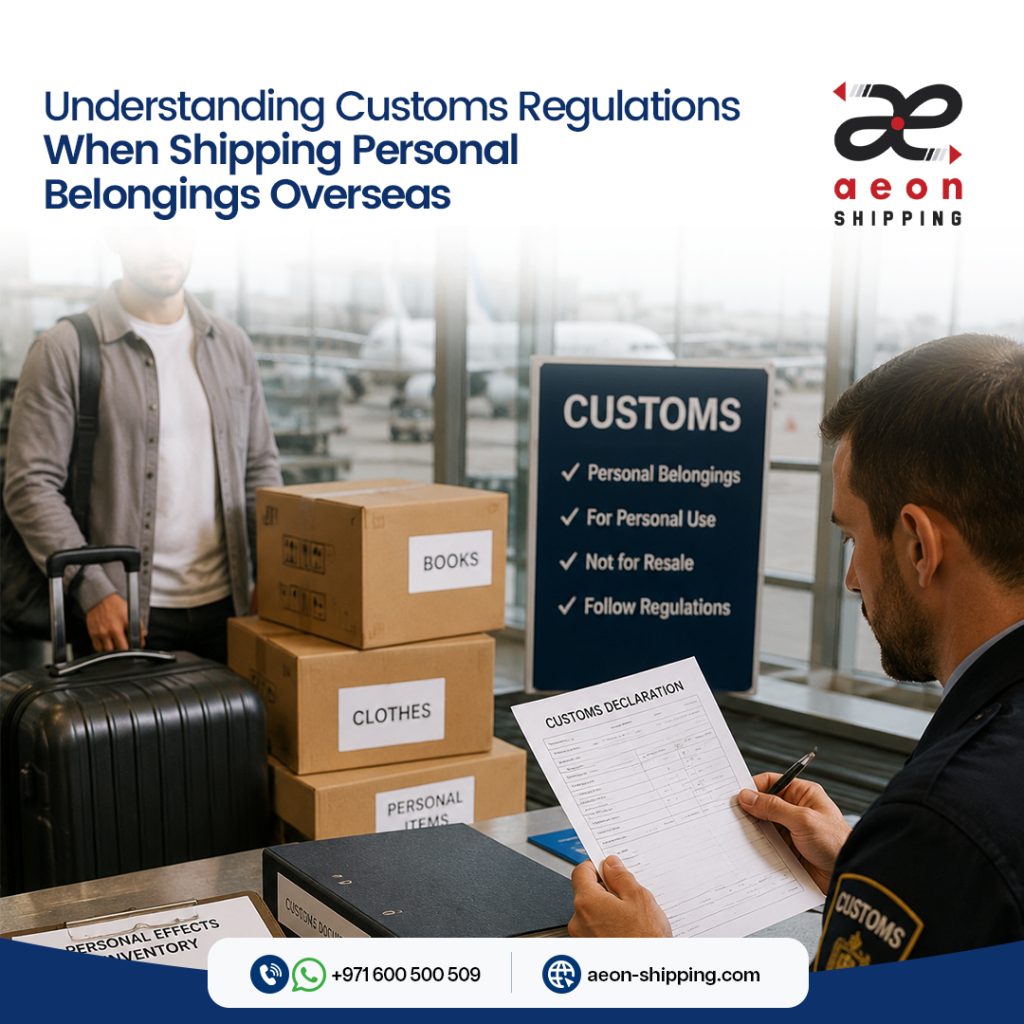
Customs is a checkpoint. Every country has one. Customs usually control things that enter and leave the country. When shipping your personal belongings, customs checks your shipment before releasing it. This is normal.
Personal belongings mean items you have already used. Clothes you wore. Furniture from your home. Books you read. These are not items for sale. Customs treats them differently from business cargo. That is good news. But they still need proof.
Customs wants clear answers. Who owns the items? Why are they being shipped? How long were they used? When your answers match your documents, the clearance process is usually fast. Officers may open boxes to confirm that the details on your documents match the items within.
Inspection does not mean something is wrong. It only means customs is doing its job. Clear documents and honest declarations help the process move quickly. A good shipping partner will often help you with the packaging part. They will guide you on what you should and shouldn’t include. They will also help you with any of the extra documents needed to make the clearance smooth.
Shipping Personal Belongings Overseas for Moving or Studying
People ship personal belongings for many reasons. Some move for work. Some move for studies. Customs treats these cases differently. Relocation shipments often need proof, like a job letter or residency visa. Student shipments usually allow books and clothes but limit furniture and appliances. Matching your documents with your reason for moving helps customs understand your shipment better.
Preparing and Documenting Your Shipment
Preparing Your Personal Belongings for Shipping
Packing your things well can help avoid problems at customs. If boxes are messy or information is missing, customs checks can take more time. Try to sort your items before packing. Keep the things you need early with you. Pack the other items properly for shipping.
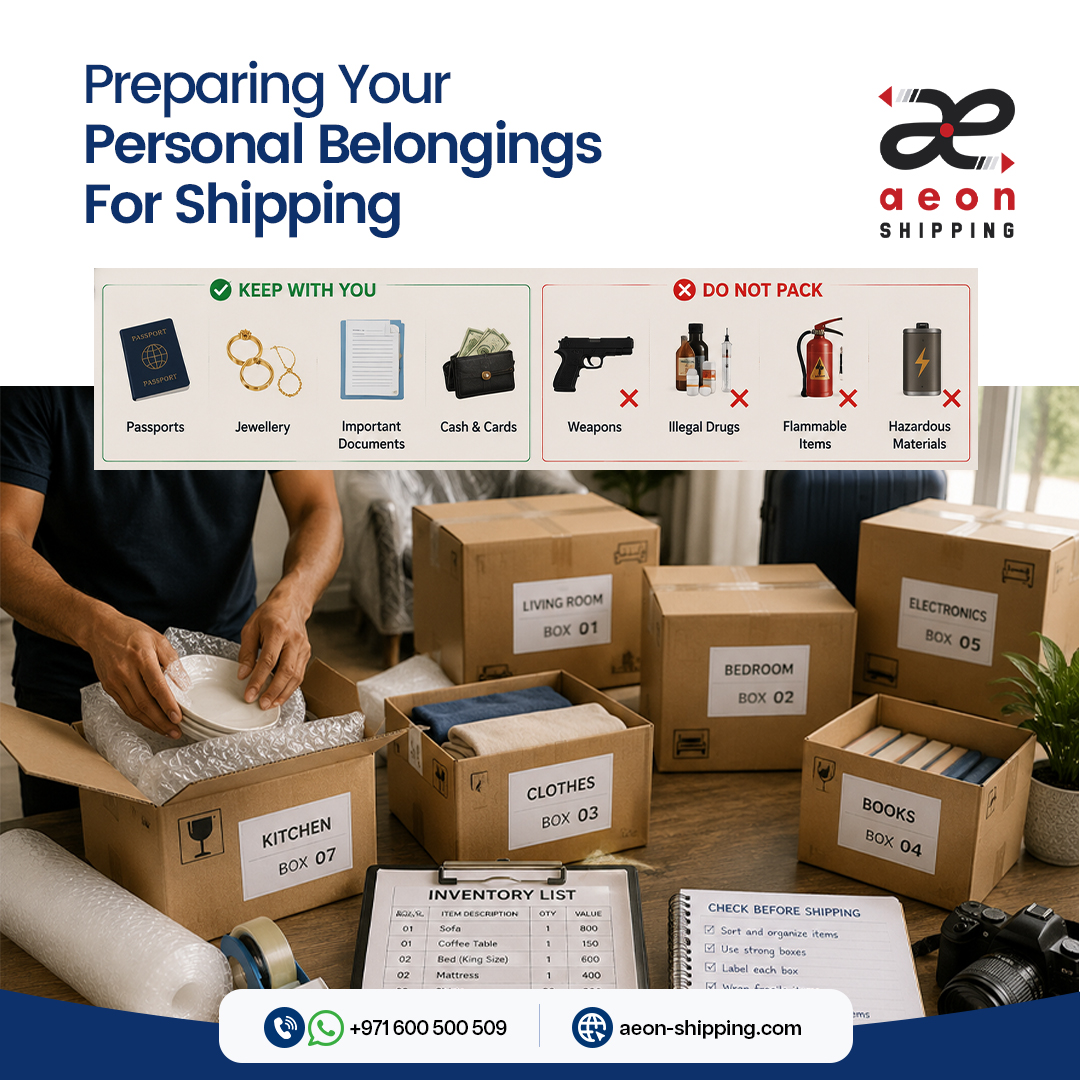
Use boxes that are strong enough to carry weight. Wrap items like plates, glass and electronics. This way they stay safe during the trip. Fold clothes and place them neatly inside the boxes. Write a label or number on each box. This helps customs officers know what belongs where.
Do not pack passports, jewellery or important papers inside the shipment. Keep them with you instead. If you have expensive items, take pictures before packing them. This can help if there is damage later. Check furniture and electronics before shipping and write down any old damage you see. If you are shipping a car, keep only a quarter tank full.
Make a full list of the things inside your shipment. Add the item names, quantity, value and box number. Customs officers use this list during inspections. A clear list can help your shipment move faster. Also make sure you do not pack banned items because they can cause delays.
A shipping company can help you prepare everything correctly. They can also help you understand the documents needed for customs checks. Packing your items properly and giving correct information can help avoid delays and make the customs process easier.
Documents Matter More Than Boxes
Having the right documents in hand is very important. A missing document can delay or set back the entire process. This is usually one of the first steps. Many delays happen because of paperwork and not because of the packing. At customs, they generally rely on the documents to decide if your shipment can enter the country.
You will usually need a passport copy and a visa or residency proof. A packing list is very important. It should list what is inside each box. Always avoid using unclear words. For example, say “used clothes” instead of “personal items.” Say “kitchen plates and cups” instead of “household goods.”
A shipping invoice is also required. This shows the value of your shipment. The value does not mean the selling price. It means a fair estimate. Customs checks this to confirm your items are personal and used.
Used Items vs New Items
Customs prefers that you transport used items. This is because used items show personal use. But new items, on the other hand, raise questions. Too many new items can look like a business shipment. And they would feel like you are trying to deceive or trick them. Used items with signs of wear pass through customs more easily. This is one reason people avoid buying new things right before moving.
If you have to send new items, then always be honest about it. Declare them properly. Keep purchase receipts if you have them. Some countries may charge duty on new items, even if they are for personal use.
Items That Need Extra Attention
Not everything is allowed across borders. Some items are restricted, while others could be banned.
Food, medicines, alcohol and electronic devices often face checks. If you do happen to take along medicines, you may need your doctor’s prescription. Loose pills without labels can cause problems at customs. So be very careful to avoid such mistakes. Alcohol usually has strict limits. Some countries do not allow it at all.
Electronics are usually allowed if they are used. Too many similar items can look as though you are moving them for commercial purposes. Drones, cameras and wireless devices may need approval in some countries.
Always check before packing. Removing one restricted item is easier than fixing a customs issue later.
Costs, Duties, and Timing
How Are Customs Charges Calculated?
Customs charges depend on the shipment and the country it is going to. Customs officers first check the value of the items inside the shipment. They may also include the shipping and insurance cost before deciding the final amount. Different products can have different customs charges.
Each item is placed under a product category. Some categories have lower duty while others cost more. Many countries also add taxes such as VAT or import tax during customs clearance.
Extra costs can happen too. There may be storage or handling charges too. This only happens if customs officers stop the shipment for inspection. Wrong documents or missing details can also slow things down and increase costs. This is why clear paperwork is always important before shipping overseas.
Taxes and Duties When Shipping Personal Belongings Overseas
Personal belongings are often allowed without customs duty. But this depends on the rules set by each country. Most countries allow duty-free entry if you are relocating and your items are used. There are conditions. Some require your shipment to arrive within a certain time after you move. Others ask for proof that you lived abroad before relocating. If these conditions are not met the customs may charge duty.
Timing Can Affect Clearance
Timing can play an important role when you ship your personal belongings overseas. For example, if your shipment comes too early then the customs may hold it until you arrive. And if it comes too late, you may face delays and extra storage fees. It is always better to avoid sending shipments around holidays or weekends. This is because customs may not work on those days. This will result in automatic delays. Facing delays can cause a lot of inconvenience to you.
Sea shipments take longer than air shipments. So it is important to plan accordingly. Some countries have rules about when items must arrive after your move. Planning the shipping date carefully gives way to faster customs clearance. Discuss timing with your shipping partner. They can advise on the best departure dates and shipping routes. Proper timing reduces stress and prevents delays. With careful planning your belongings arrive when you need them.
Avoiding Problems and Protecting Your Shipment
Common Mistakes to Avoid
Most customs issues come from small mistakes. Missing details. Wrong descriptions. Forgetting a signature. Declaring new items as used is another common error. Customs officers notice these things. Honesty always works better. Poor packing lists confuse them. Simple and clear lists save time.
Importance of Having Insurance
When you ship your things overseas it comes with the possibility of risks. Packages can get lost, damaged or delayed. This is why insurance is important. Most shipping companies offer different types of insurance. Basic coverage can protect your items from major loss or damage. Full coverage protects almost everything. This includes small scratches or dents on your belongings.
Insurance can also help during customs clearance in some cases. Customs officers may ask for the declared value of your shipment. Insurance documents can help support this information. If any item gets damaged during customs checks or transit then you can claim inspection much more easily.
Having insurance can give you peace of mind. Even with careful packing there are chances for accidents during transit. Paying a little more for insurance is often worth it. Having insurance gives you confidence that your belongings will arrive safely at your new home.
Customs Clearance with Aeon Shipping
Your goods must pass through customs no matter which country it is sent to. Customs officers will check your shipment and the papers that come with it. Your entire shipment will get delayed if there is anything missing. Wrong details can also cause extra charges.
Aeon Shipping helps customers get ready before shipping starts. We help prepare the needed documents and organise shipment details clearly. Our team also checks the papers carefully to avoid common customs problems. When everything is correct, the customs process becomes easier and the shipment can move faster.
Conclusion
Sending your personal belongings to another country can feel stressful in the beginning. There are documents to prepare and customs rules to follow. Many people also worry about delays or missing items. But the process becomes easier when things are organised properly from the start.
Packing your items carefully can help avoid problems later. Giving correct details and keeping the documents ready can also help during customs checks. Small steps like these can save time and help your belongings arrive safely. Good planning and proper support can make overseas shipping much easier to manage.

