

Picking the right household goods international shipping companies makes all the difference when you’re moving overseas. Trust us, after watching countless families stress over damaged furniture and lost boxes, we can tell you that your choice of shipping partner basically decides whether you’ll settle into your new country smoothly or spend months fighting over insurance claims.
Think about it—you’re not just moving stuff. That dining table hosted your kids’ birthday parties. The bedroom set came from your wedding registry. These pieces carry stories, and honestly, replacing them in a foreign country costs way more than you’d expect. That’s why Aeon Shipping has become such a go-to option for families shipping household goods from Dubai. They’ve been doing this for over fifteen years, so they’ve pretty much seen every possible moving disaster and learned how to avoid them.
Why You Need a Professional International Shipping Company
Let me paint you a picture of what happens when people try to handle international shipping themselves.
Avoiding Stress and Delays
First, they discover that every port operates like its own little kingdom with completely different rules. Singapore wants documents stamped in blue ink. Hamburg needs everything translated into German. Los Angeles requires forms that nobody else has heard of.
Then comes the customs paperwork nightmare. You know what customs officers love? Rejecting shipments because someone wrote “miscellaneous household items” instead of listing every single spoon and fork. I’ve seen families wait eight weeks for their belongings because one signature was missing. Professional movers deal with this stuff daily—they know exactly which boxes to tick and which officials need sweet-talking.
Here’s something most people don’t realise: shipping companies basically speak their own language. When a port agent in Dubai talks to a customs broker in London, they’re using terms and codes that sound like gibberish to normal folks. Professional movers translate all this chaos into simple updates like “your container arrives Thursday.”
Ensuring the Safety of Your Belongings
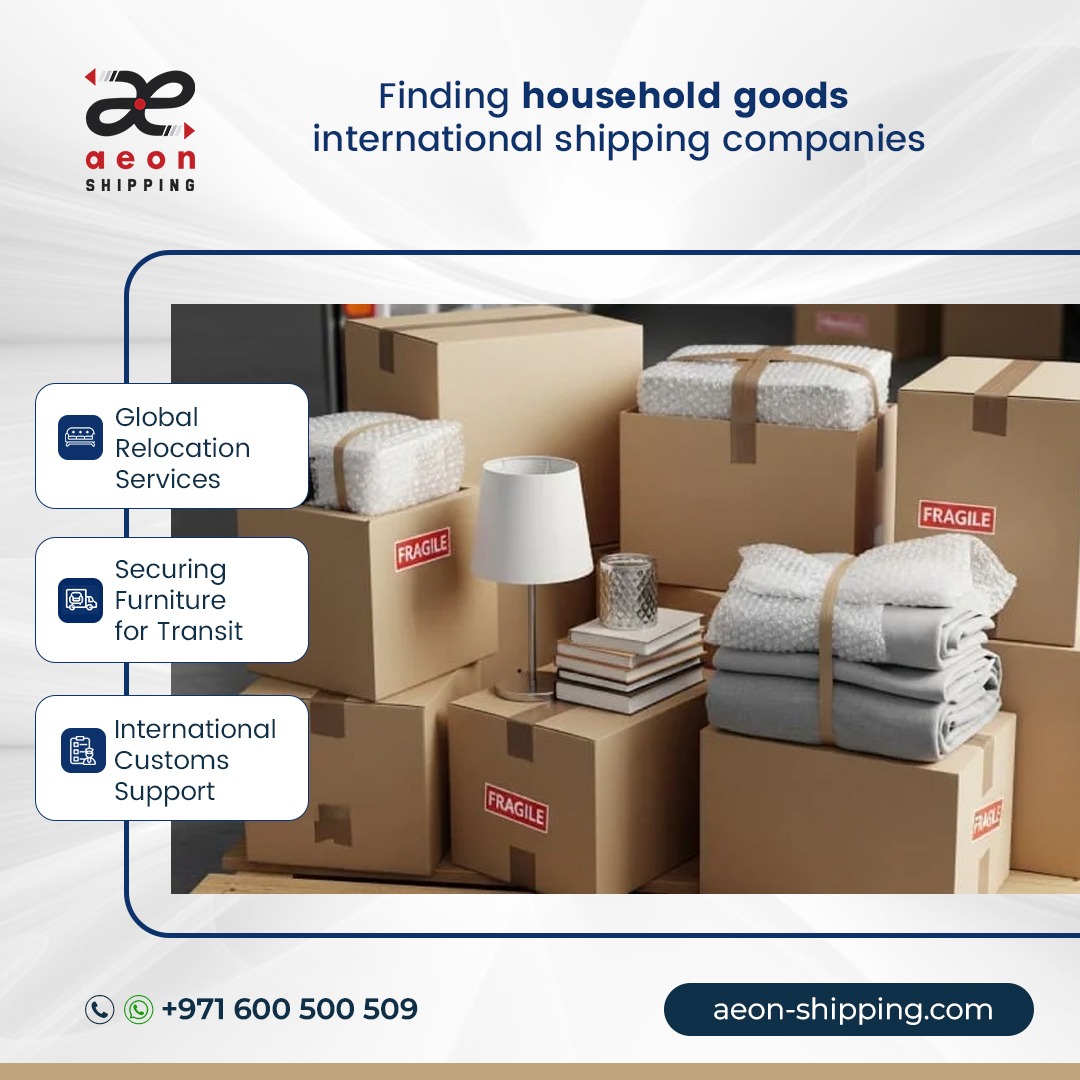
Packing for international shipping isn’t like a local move. One person we know wrapped his TV in blankets, thinking that was enough—the screen cracked after two days at sea from humidity changes.
Containers turn into saunas during ocean crossings. Morning condensation drips from ceilings, afternoon heat bakes everything, and salt air seeps through tiny gaps. Without moisture barriers, electronics grow mould and wooden furniture warps badly.
Professional packers know what three weeks at sea does to belongings. They use diagonal bracing for mirrors, small boxes for books (so they don’t punch through bottoms), silica gel packets in appliances, and thermal wrap for temperature swings that hit 40 degrees between day and night. Each item gets specific protection based on years of seeing what actually fails during shipping.
We also knew a guy who packed his grandmother’s china himself. Wrapped every piece in the newspaper, put them in sturdy boxes, and felt pretty proud. Three months later, he opened the boxes full of expensive powder. Professional packers would’ve used specialised dish packs with cell dividers, plus they know tricks like using crushed paper instead of flat sheets because it can absorb shock much better.
The loading process matters too. Weight distribution isn’t just some technical detail—it determines whether your furniture arrives intact or in pieces. Professionals understand that heavy items go on the bottom (obviously), but also that you need to create interlocking patterns that prevent any movement. They build what’s essentially a 3D puzzle inside the container.
Cost-Effective and Time-Saving
Sure, hiring professionals costs more upfront. But let’s talk about hidden expenses that kill DIY shipping budgets. Incorrect paperwork? That’s a $500 fine. Container sitting at the port because you missed a deadline? Storage fees run $100 daily. Need emergency repacking because customs rejected your amateur job? Add another $2,000.
Professional companies get bulk rates you’ll never access as an individual. They ship hundreds of containers monthly, so shipping lines give them discounts. Plus, they know money-saving tricks—like how shipping in October costs half what it does in July, or how combining shipments headed to the same region cuts costs by 30%.
The time factor hits harder than most people expect. Doing this yourself means taking weeks off work. You’ll spend entire days googling regulations, calling offices that close at 2 PM, and redoing forms because you used the wrong date format. Meanwhile, professionals handle everything while you focus on saying goodbye to friends and preparing your family for the big move.
Global Network & Reliable Agents
Here’s an industry secret: successful international shipping isn’t about one company doing everything. It’s about networks. The best companies have trusted partners in every major port who know local quirks and can solve problems fast.
When your container gets randomly selected for inspection in Rotterdam (happens more than you’d think), you need someone who knows which inspector works fastest and how to get on their good side. When documents mysteriously go missing in Mumbai, you need a local agent who knows exactly which office to visit and whose palm needs greasing (legally, of course).
What to Look for in Household Goods International Shipping Companies
Experience and Credentials
Don’t just check how long they’ve been around—ask how many shipments they’ve handled on your specific route. A company might be fantastic at shipping to Europe but clueless about Australian biosecurity rules. FMC licensing, FIATA membership, NVOCC status—these aren’t just fancy acronyms. They’re proof that a company follows international standards and won’t disappear with your belongings.
Service Range and Flexibility
The best companies offer everything from basic port-to-port (you handle transport on both ends) to full door-to-door service (they do absolutely everything). Maybe you want them to pack your fragile items but you’ll handle clothes and books yourself. Good companies customise instead of forcing package deals.
Ask about extras, too. Car shipping? Temporary storage if your visa gets delayed? Companies that handle these complications show they understand real-world moving challenges.
Real Customer Experiences
Skip the five-star reviews saying “Great service!” Look for detailed stories about how companies handled problems. Every move has hiccups—what matters is the response. Did they answer calls at midnight when the container got delayed? Did they fight with insurance companies on customer’s behalf?
Pay attention to reviews from people moving to your specific destination. Shipping to Germany is nothing like shipping to Japan. Different countries, different challenges, and different solutions needed.
Services That Make a Difference
Full Container Load (FCL) means you get an entire container to yourself—usually either 20 or 40 feet. No strangers touching your stuff, no waiting for other shipments, just straight sailing from origin to destination. Less than Container Load (LCL) means sharing space, which saves money but adds time since they need to consolidate shipments.
Air freight changes everything if you need things fast. Yeah, it costs five times more than sea freight, but sometimes you need your work clothes and laptop immediately, while the couch can take the slow boat.
Door-to-door service treats you to exceptional convenience and comfort.They show up, pack everything, handle all the paperwork, and next thing you know, you’re unpacking in your new home. Door-to-port means you organise transport to the departure port; port-to-door means you collect from the arrival port. These halfway options save money if you’ve got friends with trucks or know your way around.
The Actual Shipping Process
First comes the survey—someone examines your stuff and calculates volume. Virtual surveys work fine now (thanks to technology), though in-person visits catch details a camera might miss. They’ll spot that your couch won’t fit through the door or that your piano needs special equipment.
Packing day feels like organised chaos. Teams swarm your house, wrapping everything in layers you didn’t know existed. That wooden furniture? It gets wrapped in special paper that prevents moisture damage, then bubble wrap, then corrugated cardboard. Electronics get anti-static treatment. Everything gets numbered and photographed.
Documentation makes or breaks international shipping. You need detailed packing lists that customs officers could rebuild your entire household from the description. Miss something, and suddenly you’re suspected of smuggling. Professional companies handle this paperwork in their sleep.
Money Matters
Volume drives pricing more than weight (unless you collect marble statues). A three-bedroom house typically needs a 20-foot container; a four-bedroom needs 40 feet. Shipping from Dubai to London costs roughly $3,000-5,000 for a 20-footer, while shipping from Dubai to Sydney runs $4,000-6,000. Air freight? Multiply by five.
Insurance seems expensive until you need it. Basic coverage pays pennies on the dollar. Full replacement coverage costs more, but actually covers buying new items in your expensive destination country. Read the fine print—some policies exclude “mysterious disappearance” (industry speaks for theft).
Customs duties vary wildly. The US charges nothing for used household goods if you’ve owned them for a year. The UK wants detailed valuations but usually waives duties for personal effects. Australia inspects everything for bugs and might force fumigation treatment. Research your specific destination or get surprised by four-figure tax bills.
Common Problems and Solutions
Customs delays happen. Sometimes it’s random inspection and sometimes it’s missing paperwork. Build buffer time into your plans. Ship two months before you need things, not two weeks.
Damage occurs despite best efforts. Photograph everything before packing. Keep receipts. Document existing damage. When that insurance claim comes, you’ll thank yourself for being paranoid.
Why Aeon Shipping Works
After fifteen plus years of moving families from Dubai, Aeon knows Middle Eastern shipping inside out. They’ve got direct relationships with every major shipping line, which means better rates and priority loading. Their packing crews train specifically on protecting belongings through desert heat and ocean humidity.
They offer transparent and customised pricing—the quote you get is designed solely for you and includes everything except destination country taxes. No surprise fuel surcharges or mysterious handling fees appearing later. Their tracking system actually works (surprisingly rare in this industry), sending updates at every milestone.
Most importantly, they answer their phones. When you’re panicking because your container seems stuck in Singapore, you need someone who picks up and provides real answers, not automated messages about “experiencing higher than normal call volumes.”
Making Your Decision
Get three quotes minimum. Compare what’s actually included, not just bottom-line numbers. The cheapest quote often excludes essentials like professional packing or comprehensive insurance.
Ask specific questions: Who are your agents in my destination city? What happens if customs delays my shipment? How do you calculate insurance claims? Vague answers mean amateur operation.
Check credentials thoroughly. Verify licenses, call references, and read reviews on multiple platforms. This company will hold everything you own—make sure they deserve that trust.
Conclusion
Look, moving internationally is tough enough without worrying about your stuff disappearing into the ocean. Finding solid household goods international shipping companies basically determines whether you’ll be laughing about your move later or still bitter about it years down the road. Doesn’t matter if you’re shipping household goods from Dubai for that dream job or finally heading back home after a decade abroad—having pros handle the logistics changes everything.
Aeon Shipping gets that they’re not hauling random cargo. That’s your kid’s bedroom, your wedding china, the couch where you watched ten seasons of that show. They’ve been doing this long enough to know families need their familiar things to feel grounded in unfamiliar places. Get the right team behind you, and suddenly you’re debating between Thai or Italian for dinner instead of filing insurance claims.
Want to get this ball rolling? Hit up Aeon Shipping for a proper quote. They’ll look at what you’ve got, where it’s going, and figure out exactly how to get everything there without the drama.

