
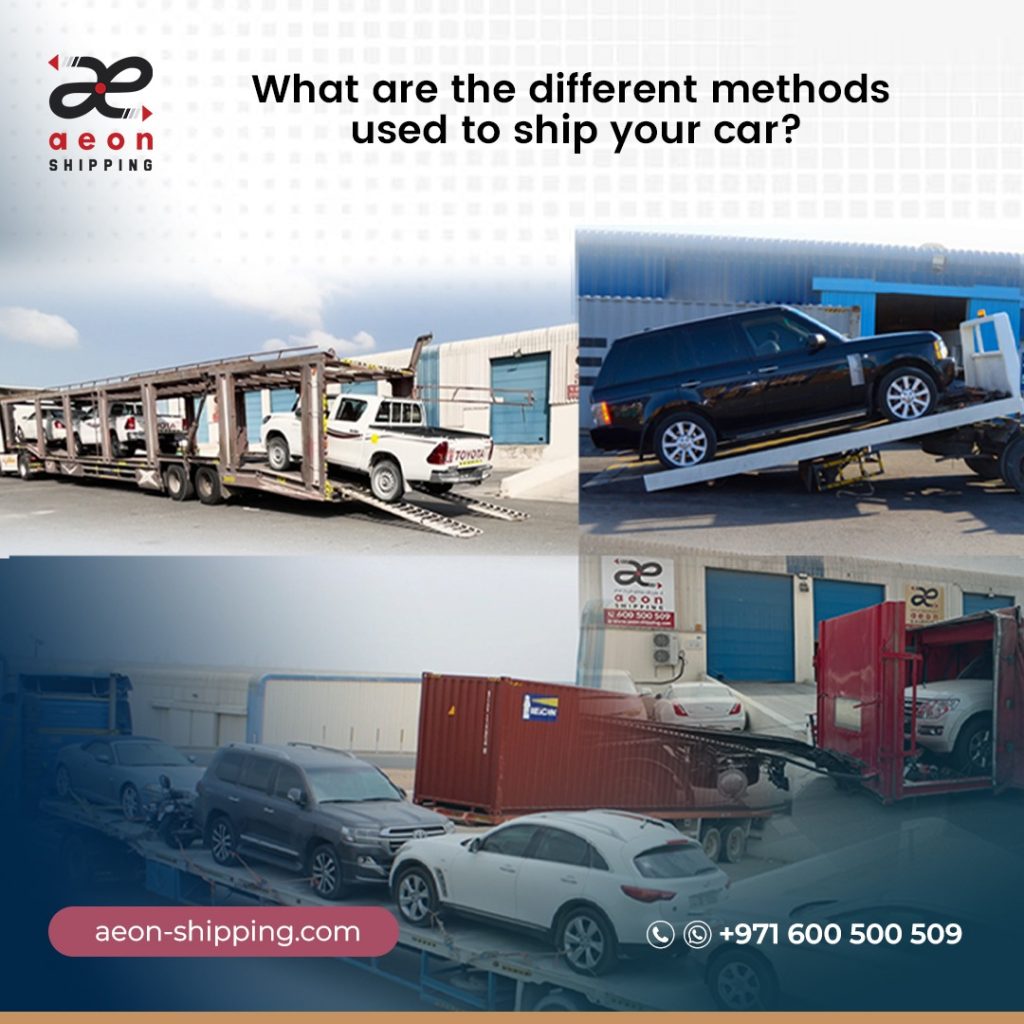
If you are leaving Dubai, you may be wondering what to do with your car. You are not the only one. Every year, countless folks are in the same boat. Some people tour countries such as the USA, the UK, and Australia. Others take up jobs in Riyadh or Muscat. And there’s always that group that sees shipping cars as a business opportunity.
Look, moving a car internationally isn’t like calling Uber Eats. You may ask: What are my sea freight, air cargo, and overland trucking options? And with each comes its own set of intricacies working to your cost, timeline, and yet potential future headache savings.
The tricky bit? Figuring out which method suits you best. You may be on a tight budget. Or perhaps your vintage Mustang needs VIP treatment. It could be you’re in an enormous hurry.
Stick around. We’re about to walk through every shipping option so you can actually make sense of this whole process.
Ocean Transport
Right, let’s talk about the most common way people ship cars—by sea. Most vehicles crossing continents end up on cargo ships at some point. It’s the workhorse of international vehicle shipping.
Why? Well, it’s reliable, relatively affordable, and Dubai’s Jebel Ali Port connects everywhere. Los Angeles, Southampton, Sydney—you name it. The thing is, ocean shipping isn’t just one thing. You’ve got three different ways to do it, and honestly, they’re pretty different from each other.
Enclosed Container
This is the premium option. You will get a metal box at your disposal, either 20 feet or 40 feet, for your car carriage. Isn’t that fabulous? Think of it as booking a private room for your car’s ocean voyage.
Who uses this? People with exotic cars and classic car collectors. Anyone who’d have a meltdown if their vehicle got a scratch. A standard 20-footer fits one car comfortably, whilst the 40-foot version can take two cars or a big SUV.
Bonus point: you can pack stuff inside the remaining space of the container, including clothes, boxes, and personal belongings. Most companies let you use the space, though there are limits. Check first, obviously.
Pros:
- The container protects your car from everything—salt spray, rain, flying debris
- You can pack personal belongings inside
- Way less chance of damage
- Perfect for vehicles you actually care about
Cons:
- Costs more than other methods
- You’re paying for the whole container
- Processing at ports can take a bit longer
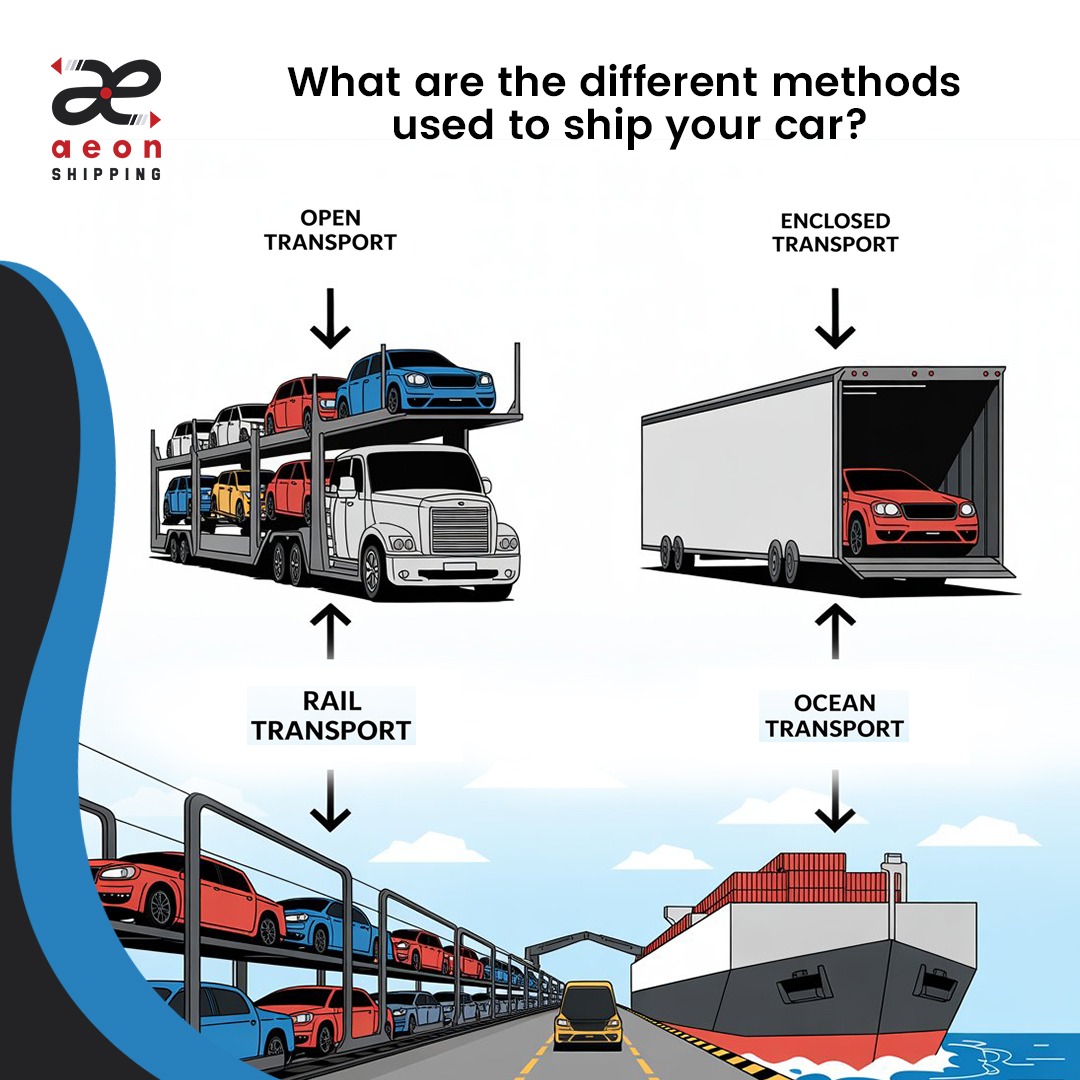
Shared Container
Want container protection without the premium price tag? This is your middle ground. Your car shares container space with other people’s vehicles—usually two to four cars, depending on size.
It’s basically splitting the cost. You still get protection from the weather and what not, but you’re not footing the entire bill yourself. Most people find this option hits the sweet spot between cost and peace of mind.
Can you pack personal items? Yeah, but less than with an exclusive container. A few boxes in the boot. Don’t expect to move your entire flat or house.
Pros:
- Cheaper than having your own container
- Still protects against the weather
- Good compromise if you’re watching your budget
- Ships leave regularly on busy routes
Cons:
- Less room for your stuff
- Timing’s less flexible
- Not quite as secure as exclusive
RoRo (Roll on/Roll off)
Here’s the budget-friendly champion. RoRo means exactly what it sounds like—your car drives onto a massive ship, parks alongside hundreds of others, and drives off at the other end. No container. Just a huge floating car park.
This is how most used cars leave Dubai for Africa and beyond. It’s quick, cheap, and it works. The ships are purpose-built with ramps and multiple decks specifically for vehicles.
But there’s a catch. Actually, a big catch. No personal items allowed. Nothing. Not a single box, bag, or loose coin. Your car needs to be empty except for the spare tyre and jack. Customs are serious about this.
Pros:
- Cheapest ocean option by far
- Loading and unloading happen fast
- Great for regular cars in decent condition
- Ships leave frequently for major ports
Cons:
- Zero protection from the weather
- Absolutely no packing allowed
- Non-running cars cost extra (if they even accept them)
Air Transport
Need your car there within days and not weeks? Air freight’s the answer. Your car flies in a cargo plane’s hold, treated like valuable freight.
When does this make sense? Maybe you’ve just bought a rare Ferrari at auction. Perhaps you’re relocating urgently and can’t wait around. Or you’ve got a priceless classic that deserves the royal treatment it truly deserves.
Dubai’s brilliant for air freight. Emirates SkyCargo, Etihad Cargo—they fly everywhere. Your car can reach New York faster than your shipping paperwork gets processed.
But let’s be honest. Air shipping costs serious money. Like, multiple times the cost of ocean freight. For your average Camry or Accord? Total overkill. But when every day counts, and budget isn’t the primary concern, nothing beats flying.
Pros:
- Fastest way to ship internationally, hands down
- Less handling means less risk of damage
- Perfect for valuable or urgent shipments
- Climate-controlled during the flight
Cons:
- Eye-wateringly expensive compared to everything else
- Only works with airports that have proper cargo facilities
- Size and weight limits apply
- Makes zero financial sense for standard cars
Land Transport
Sometimes your car doesn’t need a passport. Moving within the GCC—Dubai to Riyadh, or Abu Dhabi to Muscat? Land transport’s your friend. It also works for places like Jordan, Iraq, or Iran if you’re in the import-export business.
It’s straightforward, really. Your car goes on a truck and is driven to where you need it. No waiting for ships. No port delays. Just road transport from point A to B.
There are two main types, and they’re quite different.
Open-Air Transport
You know those multi-level car carriers you see on the motorway?. Six to ten cars stacked on two levels, all exposed to the elements but properly strapped down.
For everyday cars, this works brilliantly. Moving a regular Toyota or Nissan to Bahrain? This’ll do the job without breaking the bank. The trucks are specially designed for this—hydraulic lifts, proper tie-downs, and so on.
Pros:
- Easy on your wallet
- Trucks are available pretty much always
- Works for any standard vehicle
- Faster than waiting to ship for a nearby country
Cons:
- Your car’s exposed to sun, dust, and whatever the weather throws at you.
- Small risk from road debris
- Not what you want for a Porsche or classic car
- No real protection from the environment
Enclosed Transport
This is open-air’s fancier cousin. Your car travels in a covered trailer, protected from everything. These carriers usually take 2 to 4 vehicles and sometimes even offer climate control.
Who needs this? People with nice cars making regional trips. Shipping a Range Rover from Dubai to Kuwait? Or a classic Mercedes to Doha? Enclosed transport means you won’t spend the journey worrying.
Pros:
- Complete protection from dust, sun, rain—everything
- Made for luxury and classic vehicles
- Lower risk of any damage
- More private and secure
Cons:
- Costs more than open carriers
- Fewer trucks available, so less flexibility
- It might take longer to organise
- Sometimes needs special loading areas
What I Should Know Before Choosing a Shipping Method?
Is your destination landlocked?
Geography throws curveballs. Shipping to Switzerland or Austria? Your car can’t exactly sail there. Ocean freight gets it to the nearest port—maybe Rotterdam or Hamburg—then trains, trucks, or ferries finish the journey.
This multi-leg thing adds both time and money. Keep it in mind when you’re planning.
Documentation requirements
Every country wants paperwork. Usually, you’ll need vehicle registration, export certificates, a bill of lading, and proof of ownership. Some places also require emissions certificates or inspection reports.
Here’s where it gets annoying—rules change. What worked last year might not work today. Countries update their import regulations at random, and a missing stamp can delay your car for weeks.
Best advice? Work with your shipping company on this. They know what’s currently needed in different countries and can help you avoid expensive mistakes.
Customs clearance considerations
Your car doesn’t magically teleport to your driveway. It goes through customs first. That means import duties, taxes, and regulatory checks. Some countries base charges on your car’s value. Others look at engine size or emissions.
Customs can take days or drag on for weeks, depending on where you’re shipping and whether your paperwork’s sorted. Dubai’s export side usually runs smoothly, but the receiving country controls the pace.
Budget for these costs properly. Import duties range from pocket change to hefty sums, depending on the destination. Do your research before committing.
Delivery methods explained
- Port-to-port: Your car arrives at the port, and you collect it yourself. Cheapest route, but you’re doing the legwork and customs clearance.
- Door-to-door: They pick up from your place in Dubai and deliver to your new home’s doorstep. Most convenient but costs more.
- Door-to-port: Collection from your Dubai location, delivery to the destination port. You handle the final pickup. Nice middle option that many people go for.
Factors affecting delivery
Weather messes with schedules. Storms delay ships. Sandstorms close ports. Heavy rain slows trucks. Your shipping timeline? It’s an estimate, not a guarantee.
Then there’s port congestion. Major hubs get backed up, especially during busy seasons. Your car might arrive on time, but it might sit in customs processing.
Build in buffer time. If you absolutely need your car by a specific date, ship it early. Better to have it sitting there, waiting, than to desperately need it whilst it’s somewhere in the Arabian Gulf.
Choosing a shipping company to transport your car
Not all shipping companies are the same. Some specialise in luxury vehicles. Others focus on budget services like RoRo. You need companies with solid reputations, transparent pricing, and experience with your destination.
Check their credentials. Proper companies have maritime licences and insurance. Ask about their claims process—what happens if things go wrong?
Read reviews, but don’t obsess over them. Every company will have unhappy customers. Look for patterns. If loads of people complain about the same thing, that’s a red flag.
Get quotes from several companies. Prices vary massively. And the cheapest isn’t always the smartest choice. Compare what’s actually included—insurance, customs help, collection, and delivery.
Services offered by AEON Shipping to ship your car
AEON Shipping handles vehicle shipping from Dubai to destinations worldwide. We cover all the ocean freight options—exclusive containers, shared containers, RoRo. Also, we sort documentation and handle customs clearance, and coordinate with ports at the other end.
In addition to the above, we offer door-to-door service, picking up your vehicle from wherever you are in Dubai and delivering it to your new address. If you prefer something else, we’ve got port-to-port and door-to-port options too.
AEON knows UAE export rules and international import requirements inside out. Thus, we provide insurance and tracking updates throughout your car’s journey.
Wrapping it up
Shipping your car from Dubai isn’t rocket science. You’ve got options—ocean for most international moves, air when you’re in a hurry, land for regional moves. Match the method to what you need. Tight budget? RoRo works. Nice car? Go for enclosed containers or air. Moving to Saudi Arabia? Land transport is your answer.
Sort your documentation properly. Get quotes from decent companies. Factor in realistic timelines and give yourself breathing room. Your car’s been part of your life in Dubai. With the proper shipping partner, it’ll be ready for wherever you’re heading next.

