
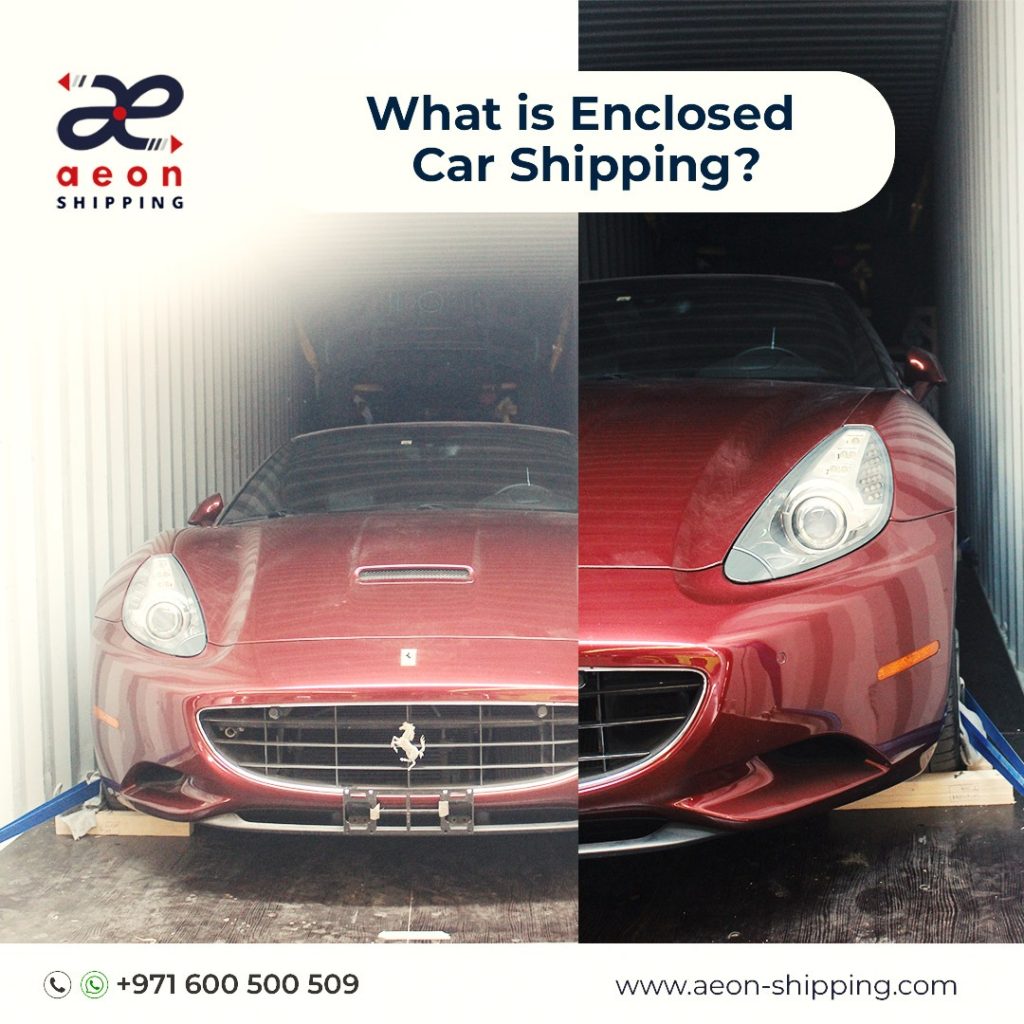
There’s nothing quite like finally tracking down the car you’ve always wanted. But once the excitement settles, reality kicks in fast. It could be a classic Mustang tucked away in a stranger’s garage three states over, or a Tesla you clicked “order” on months ago, now sitting at a facility miles from home. And just like that, one big question is staring you in the face — how do you actually get it back safely? So, here’s what you’re really wondering – is the enclosed car shipping actually worth the extra cash, or just a fancy upsell?
Look, if you’re asking these questions, you’re in good company. Most people have never shipped a car. And when they hear “enclosed transport,” they figure it’s just for rich people with Ferraris sitting in their garage. You’ve probably seen those open carriers rolling down the highway, cars stacked on top of each other, fully exposed to whatever the weather decides to throw at them. Enclosed shipping is the complete opposite — your car goes inside a trailer, shielded by four walls and a roof. Picture this: you’re moving to a new place, and rain is on the way. Are you loading everything onto an open trailer, or are you going with the covered van? The answer pretty much makes itself. Either way, your couch will get there. But with a covered van, it’ll arrive in much better shape.
Breaking Down Enclosed Auto Transport
Let’s break down what enclosed auto transport actually is when you book an enclosed transport, and your car rides inside a trailer with walls and a roof. Some have hard metal sides like a giant box truck. Others are more like frames with super-tough tarps. Bottom line – your car stays hidden the whole way. These trailers also carry fewer cars. Usually somewhere between 2 and 7. Compare that to open carriers—those tall double-decker things hauling 7 to 10 vehicles you pass all the time.
Who Actually Needs Enclosed Auto Transport?
Look, not everyone needs enclosed shipping, for example, your 2015 Honda Civic. It would be fine on an open carrier. But there are situations where spending extra makes total sense. You’ve got a high-value ride. If your car is worth more than $75,000 or so, enclosed shipping stops being a luxury and starts being common sense. One rock chip or hail storm could cost you thousands in repairs and reduce your resale value.
It’s a classic or collector car. That ’67 Camaro you’ve been restoring for five years? You don’t want road tar all over it. Collectors almost always go enclosed because these cars aren’t just for transportation—they’re investments.
The car is brand new from the dealership. Some buyers who order custom luxury cars insist on enclosed delivery. If you’re dropping six figures on a vehicle, another $1,500 for protected shipping doesn’t feel crazy.
For instance, long-distance moves in winter. Shipping from Minnesota to Florida in January? Enclosed transport means your car won’t arrive covered in road salt and ice.
You want peace of mind. Sometimes it’s not about the car’s value – it’s about what it means to you. If enclosed shipping helps you sleep better, that’s reason enough.
How the Process Actually Works
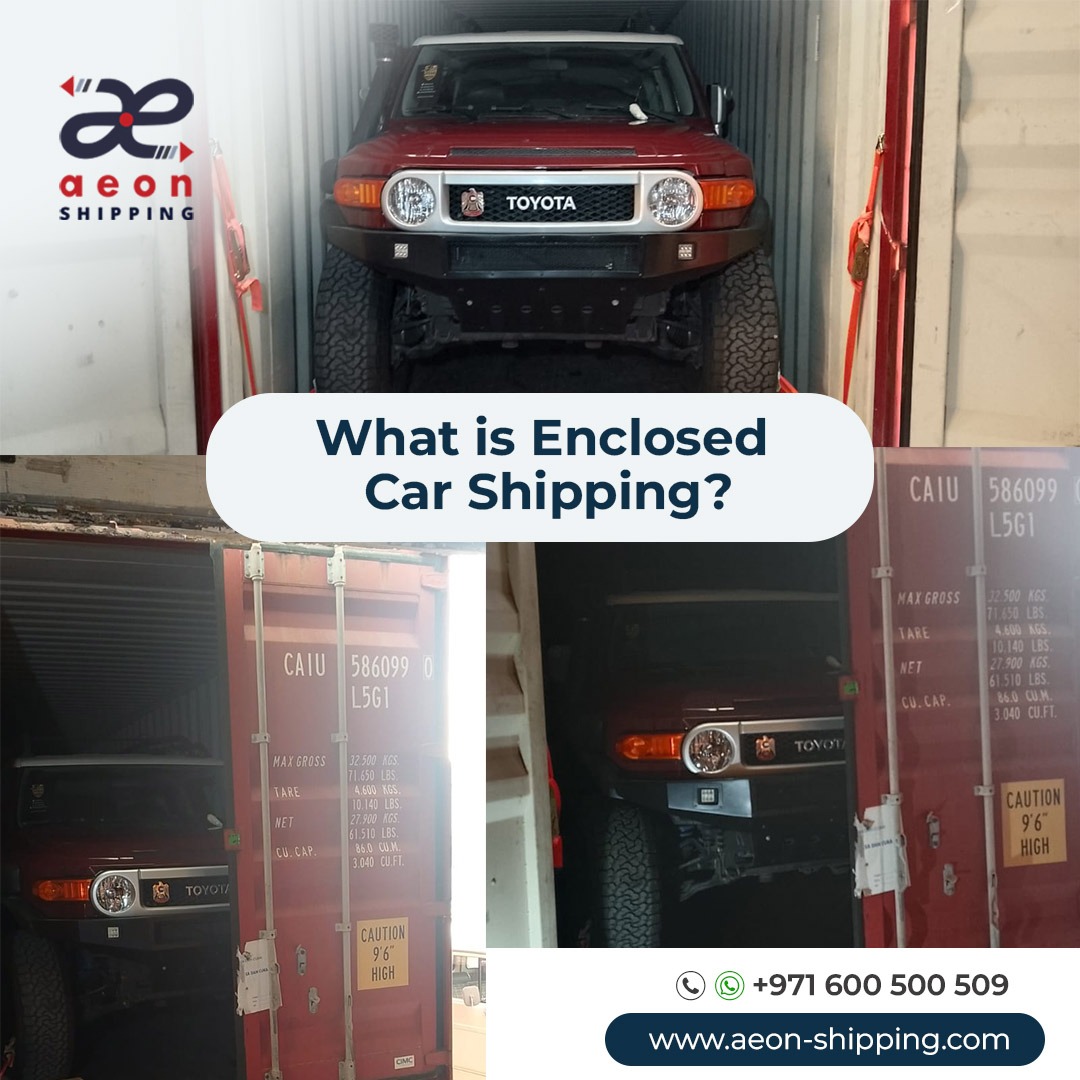
Booking enclosed transport isn’t complicated, but it’s different from open shipping. The first step is to get quotes from enclosed-car shipping companies. Heads up, though – a lot of regular auto transport companies don’t do enclosed service, so there aren’t as many options out there. Up first, they’ll ask for pickup and delivery locations, details on the car, and when you want it moved.
Your quote comes down to a few things:
- How far the car’s going
- The route they take
- When you’re doing it
- And whether your schedule’s flexible.
We’ll talk more about enclosed car shipping rates in a minute. After you book, they’ll match your car with a carrier. Since there aren’t as many enclosed carriers out there, pickup might take a few extra days compared to open transport. Nothing crazy—we’re not talking weeks here. Just factor in a little extra time. On pickup day, the driver does a thorough inspection with you. You’ll both note every existing scratch, dent, or issue on a condition report. Take your own photos, too —can’t hurt.
They load your car, secure it with wheel straps (enclosed carriers don’t use chains—they’re easier on your vehicle), and then take off. Most of them have tracking options, and you can use them to see where your vehicle is along the way.At delivery, you do another inspection together. Any new damage gets documented right then and there. But damage with enclosed transport is rare.
Types of Enclosed Trailers
Enclosed trailers come in various forms. So here’s what you’ll run into:
Hard-sided trailers are your top-tier choice. Basically giant metal boxes on wheels – nothing’s getting in there. Best protection you can get, but yeah, they’re the priciest.
Then there are soft-sided trailers. These use a metal structure covered with super-thick vinyl or canvas tarps. Your car’s protected from the weather and road debris, but not quite as bombproof as the hard-sided version. Plus, they don’t cost quite as much.
You’ll also see single-level versus multi-level trailers. Some only carry cars on one floor—maybe 1 to 3 vehicles total. Others have hydraulic lifts that let them stack cars on top of each other.
Enclosed vs Open Transport: The Real Differences
Everyone wants to know if enclosed shipping is worth the extra money. Here’s an honest comparison.
- Protection level: This is the obvious one. Open carriers expose your car to everything – weather, road debris, dust, bird droppings, you name it. Enclosed trailers shield your vehicle from all of it. For the record, most cars shipped on open carriers arrive just fine. However, there’s a difference between “most” and “all”.
- Cost difference: You’ll pay 40% to 60% more for an enclosed unit than for an open one. If open is $1,000, enclosed will likely run you somewhere around $1,400 to $1,600.
- Availability and timing: There are way more open carriers on the road. Finding enclosed transport, especially to smaller cities or during busy seasons, takes longer. Pickup could take an extra 3 to 7 days.
- Insurance coverage: Both types come with coverage, but enclosed carriers usually have higher limits since they’re moving expensive cars. Make sure you check what’s actually covered before you commit to anything.
Finding Enclosed Car Shipping Companies
Here’s where people get overwhelmed. You’ve got hundreds of companies to pick from, and it’s not always obvious which ones are solid and which ones are shady. Start with companies that actually specialise in enclosed shipping – skip the ones that just take it on as an option. Read reviews on multiple sites, too. Relying on just one place for reviews is asking for trouble.
The Better Business Bureau, Google reviews, and industry sites like Transport Reviews all help paint a fuller picture. Make sure the company’s licensed properly. They need a DOT number and an MC number, both issued by the Federal Motor Carrier Safety Administration. Just Google those numbers. You should check whether they’re legit and whether they’ve had any problems.
Get at least three quotes. Check that whoever you’re considering has the right licenses. They should have a U.S. DOT number and an MC number from the Federal Motor Carrier Safety Administration. You can look for both of those online to make sure they’re actually legit and see if they’ve had any safety issues.
Ask about their carriers. Do they use their own trucks, or do they broker out to independent drivers? Neither answer is wrong, but you should know what you’re getting.
Watch out for lowball quotes. If one company is way cheaper than everyone else, that’s a red flag. They might hit you with hidden fees later, or worse, they’re not properly insured.
Understanding Enclosed Car Shipping Rates
Let’s talk about money, because that’s what everyone really wants to know.
The national average for enclosed car shipping runs between $1.50 -$2.50 per mile, but that’s a rough estimate. Short trips cost more per mile, while cross-country hauls get cheaper per mile.
Here’s what actually affects your price:
Distance matters most. Shipping coast to coast might cost $2,000 to $3,000 or more for enclosed service. A 500-mile trip could run $900 to $1,400. Your route plays a huge role. Major highways between big cities are cheaper because carriers make that run all the time. Shipping from rural Montana to small-town Vermont? That’ll cost more because it’s off the beaten path.
The time of the year will change prices. Summer is the peak moving season, so rates go up. Winter shipping to/from snowy states costs less because fewer people do it. Snowbirds heading to Florida in the fall pay premium rates. Your timeline matters. Need it there next week? Pay extra. Flexible on pickup and delivery dates? Save some money.
The car itself factors in. Larger vehicles, lifted trucks, or cars that don’t run will cost more. Extra-long vehicles might need special trailers.
Door-to-door vs terminal shipping. Most people want door-to-door service, where the driver picks up and delivers to your actual address. It’s more convenient but costs a bit more. Terminal service means you drop off and pick up at the company’s yard.
The Honest Pros and Cons
Why do people love enclosed shipping?
You get total weather protection. Rain, snow, hail, blazing sun – none of it touches your car. That matters more than you’d think. Road debris and rock chips stay outside the trailer where they belong. Your car also stays cleaner, so you’re not spending your first day washing off 2,000 miles of highway grime.
The security factor is real. Nobody can see what’s in an enclosed trailer, which matters if you’re shipping something valuable. Plus, enclosed carriers typically handle fewer vehicles with more care.
The downsides:
- It costs more—there’s no getting around that. If the budget is tight, open transport does fine for most vehicles.
- You might wait longer for pickup because fewer enclosed carriers are available. During slow seasons, this matters less, but in summer, it can add several days to your timeline.
- Some areas are harder to service with enclosed trailers. Really rural locations or places with tight streets might not be accessible to bigger enclosed rigs.
Making Your Decision
So, should you book enclosed car shipping?
If your car is worth between $50,000 and $75,000, go enclosed. If it’s a classic, collectible, exotic, or means the world to you – go enclosed. If you’re shipping in harsh weather or across the country, seriously consider it.
For regular daily drivers worth under $30,000, open transport usually makes sense unless you’ve got specific concerns. Don’t let price be your only consideration. A few hundred dollars more for enclosed shipping is nothing compared to fixing damage or living with regret about not protecting your vehicle properly.
Wrapping This Up
Enclosed car shipping isn’t just for wealthy people with supercars. : It’s for anybody who actually cares about their car and wants it protected. Sure, it costs more than open transport. But you’re paying for real protection here, not just feeling better about it. The trick is finding a solid enclosed car shipping company, figuring out what it’ll actually cost you, and being honest with yourself about whether your car really needs it. Most folks only ship a car maybe once or twice ever. If you’re gonna do it, might as well do it right. Your car shows up looking the same as when it left – not plastered with bug guts, road tar, and whatever else it would’ve picked up on the way.

